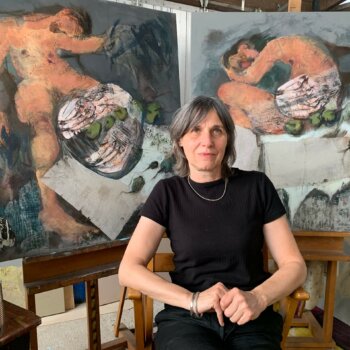
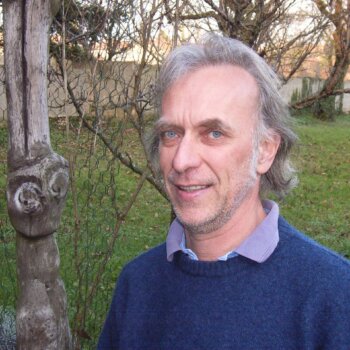
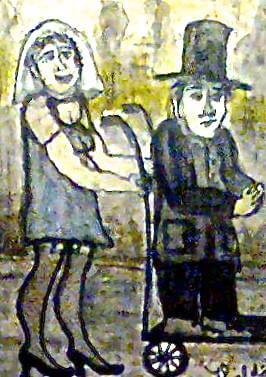
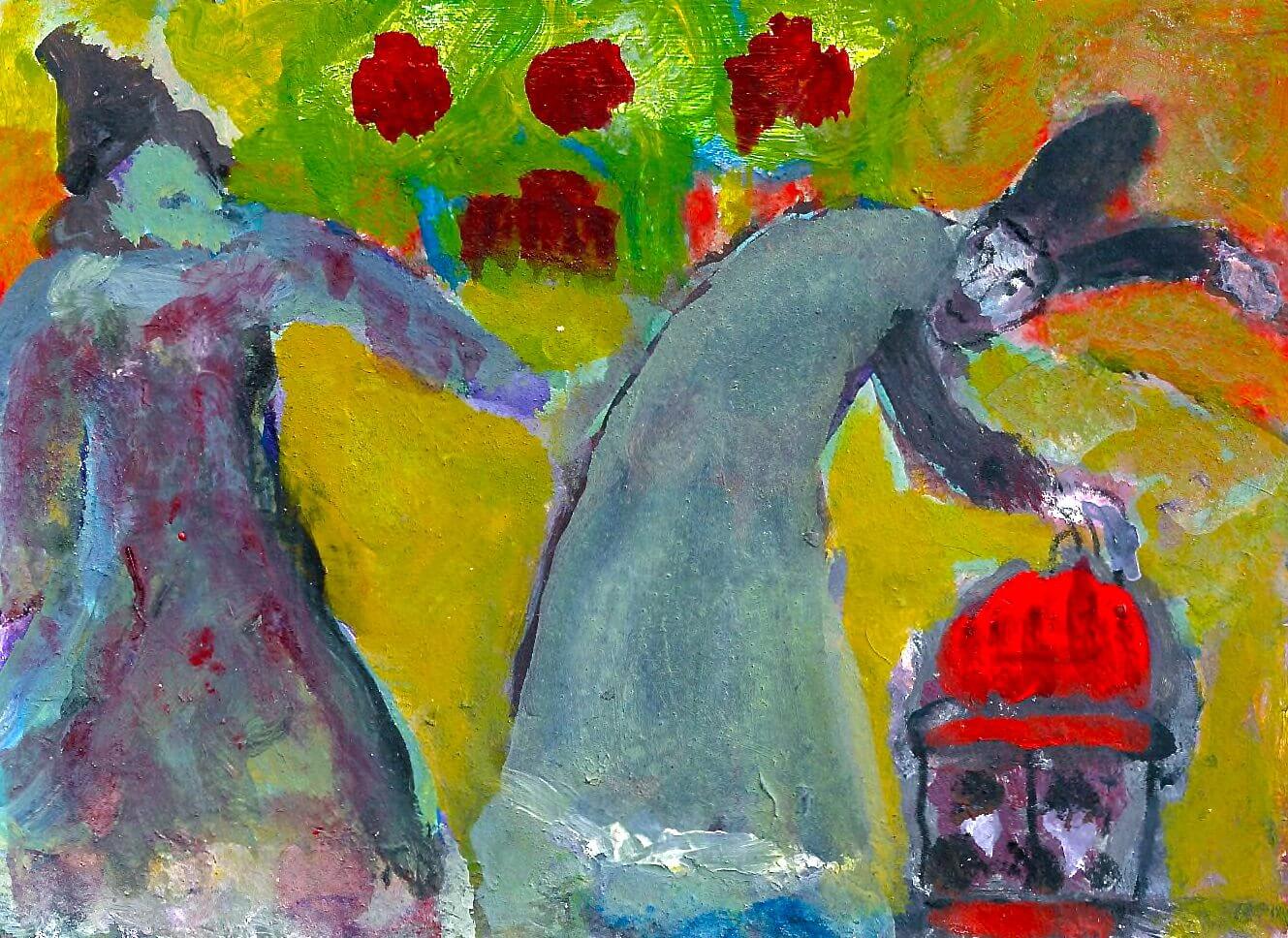
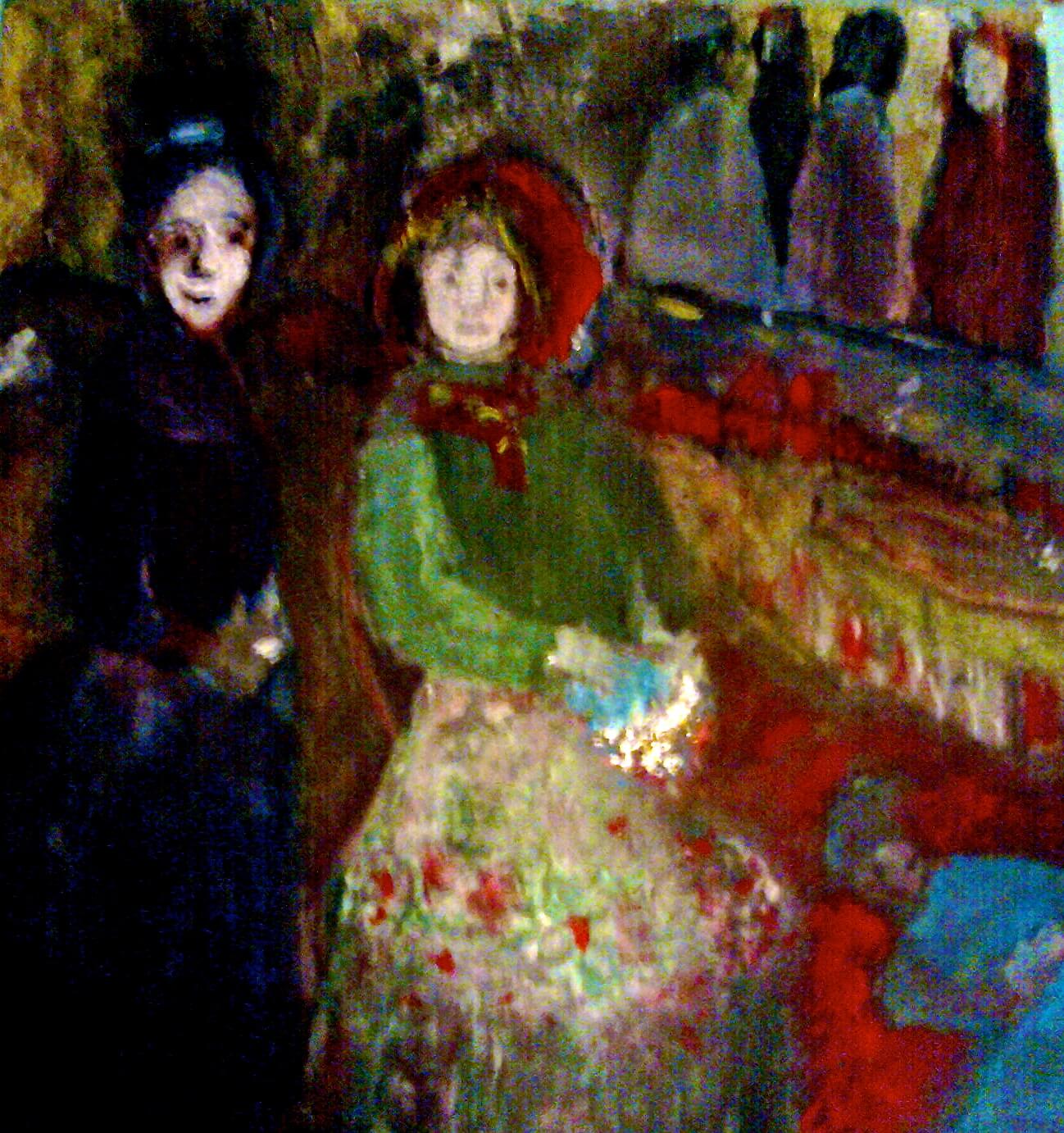
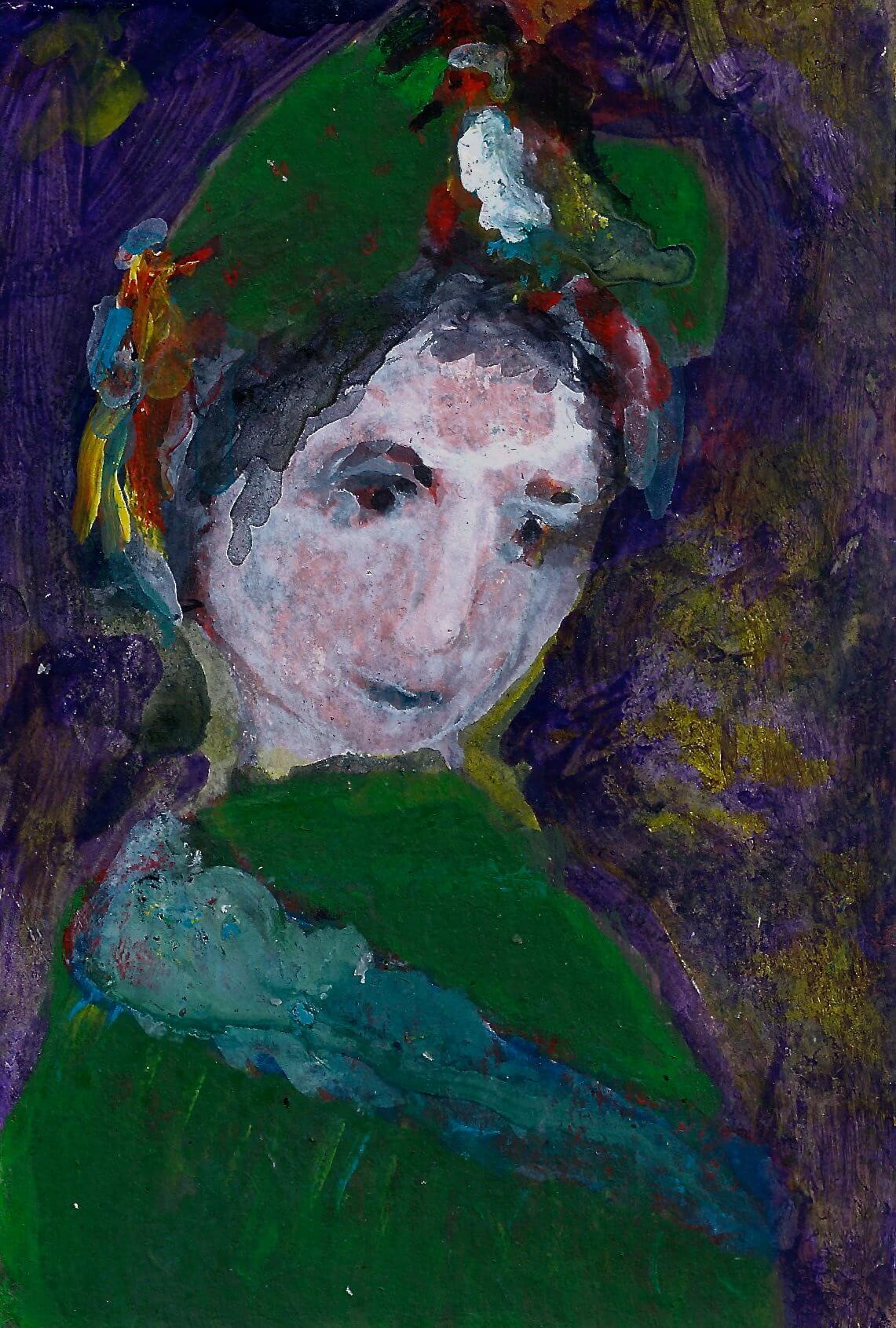
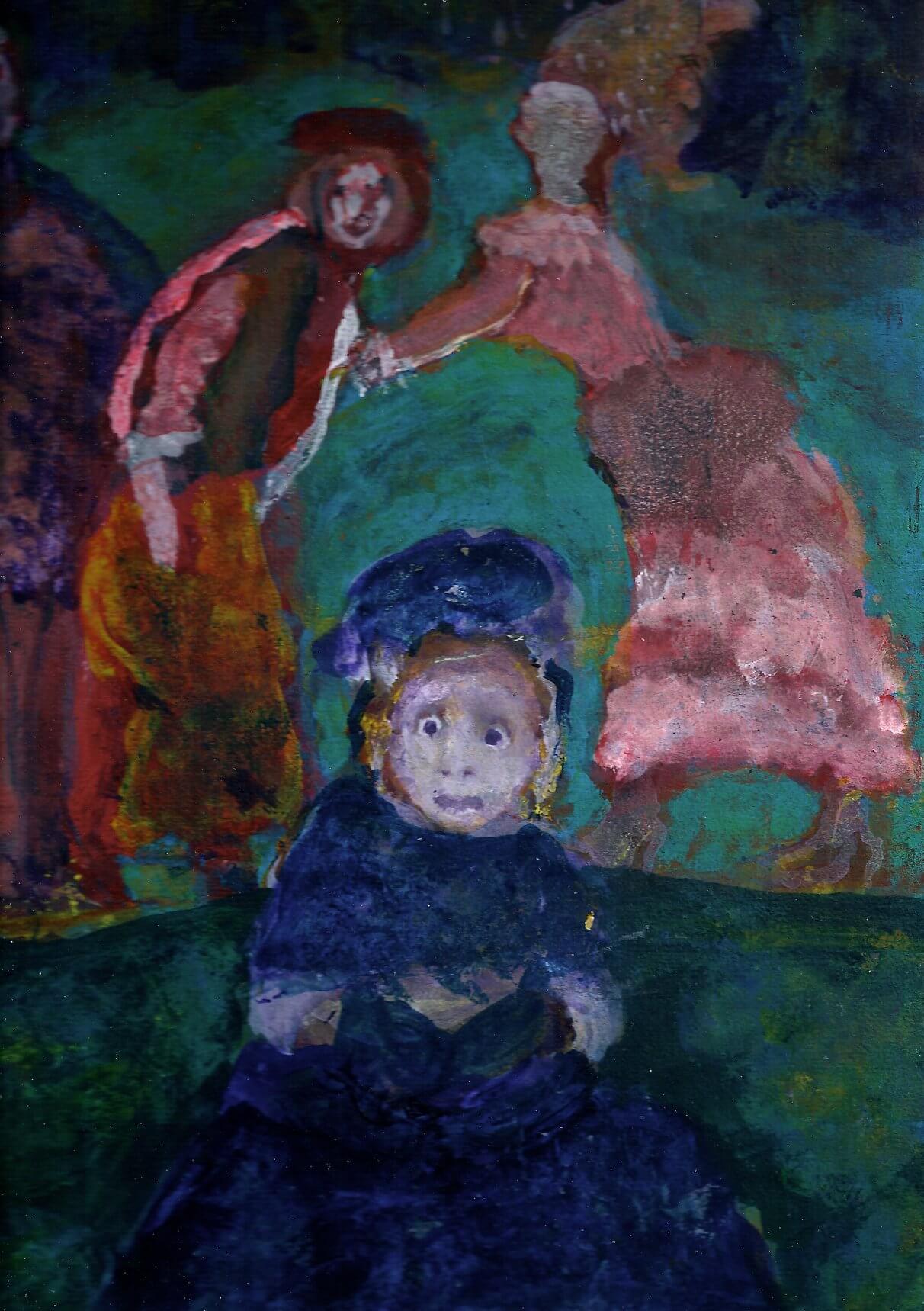
Johanna’s surname, Heeg, is also the name of a village in the province of Friesland, on the northern shore of Lake Heeg in the Netherlands. Does the natural beauty between sky and sea, with wild freedom, not correspond to the profound nature of the painter Johanna Heeg?
Between dance and drawing, the expression of a poetic memory
Drawing was a refuge and a source of comfort for Johanna Heeg’s sad childhood worries. Following the early death of her mother, she found herself in an orphanage, separated from her brother and sister. At the age of 12, her drawings became omnipresent, telling stories of the connection between the living and the afterlife.
Paradoxically, she has fond memories of her orphanage, designed by architect Aldo van Eyck: an avant-garde architectural space conducive to the formalization of her poetic expression. The performance of Romeo and Juliet, which the orphanage took the children to see, inspired her to dance. She then began taking dance classes, which would always be a part of her life.
As a student, she spent two years at the Rietveld Academy in Amsterdam, where she was bored. Her “wild” spirit did not appreciate academic constraints. Dance became a priority, and she joined the Mel Roos dance company. Although her first marriage prevented her from dancing on stage, she continued to dance as a teacher for many years.
Grieving and isolated, drawing helped her cope with the emptiness and deep sadness she felt. In her retreat, she observed and felt the world, detecting presences that she captured. The energy of visual creation, like that of dance, enabled her to persevere despite everything.
Childhood and nighttime illuminate Johanna Heeg’s painting, which navigates between inner theater and living theater.
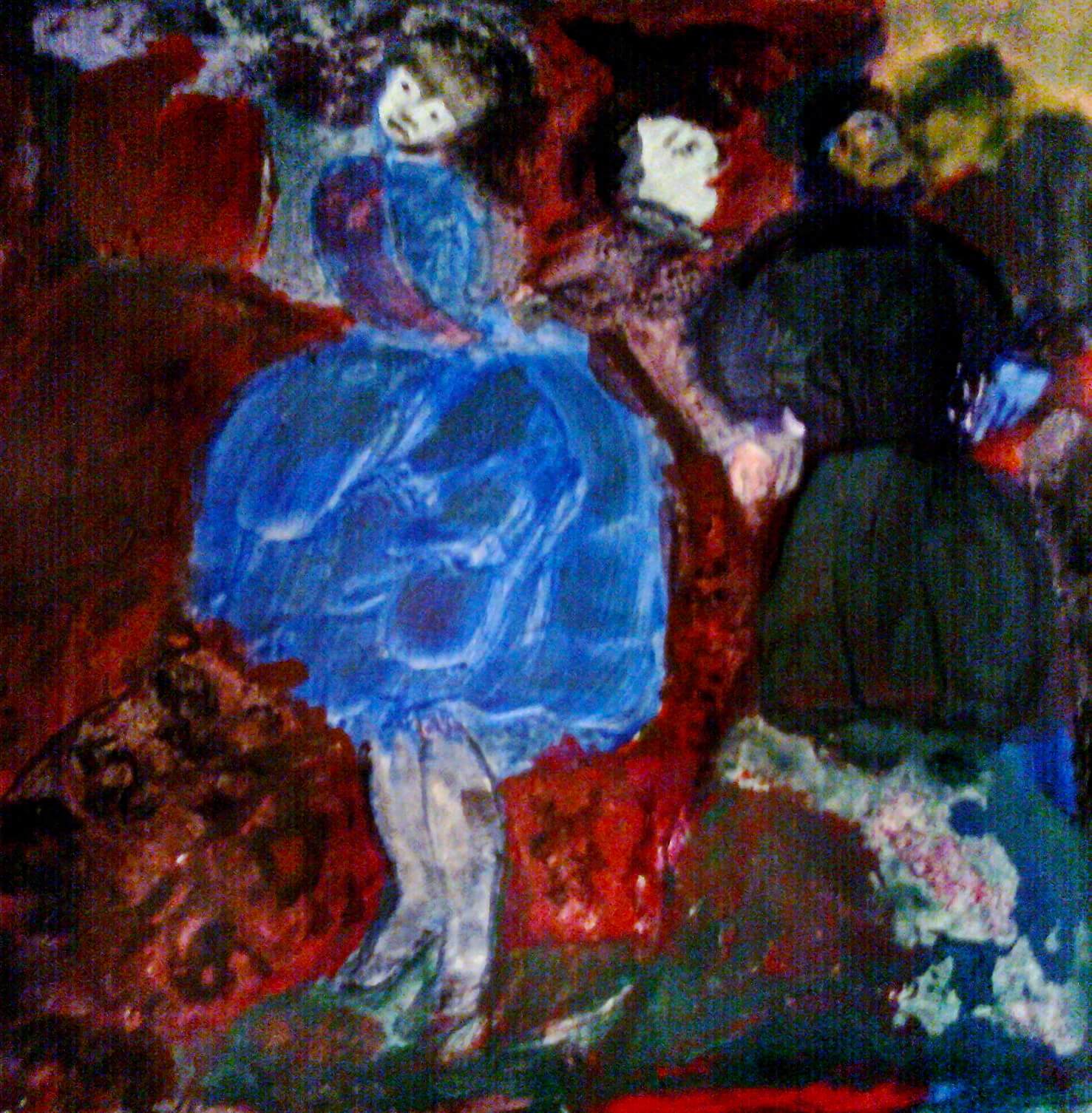
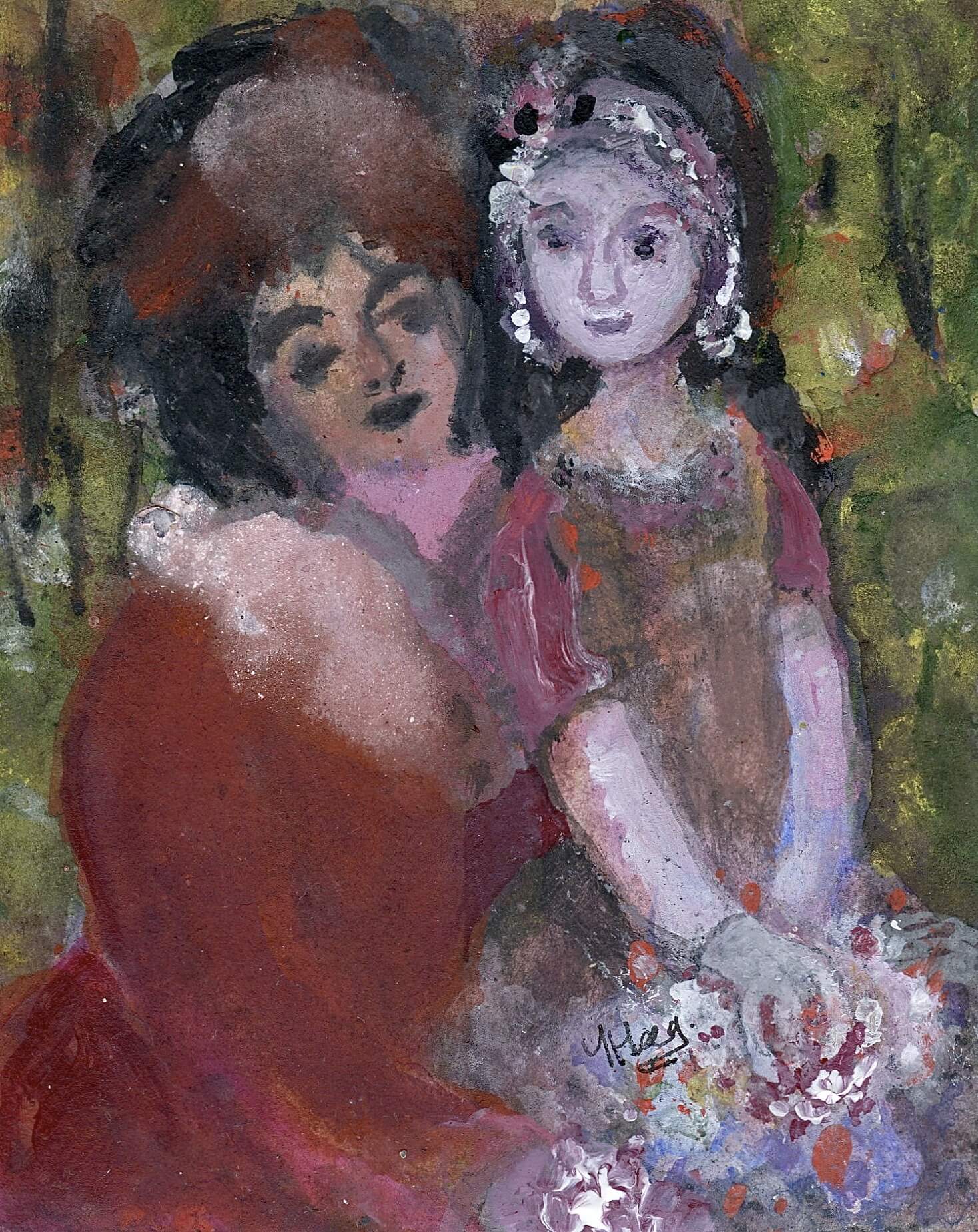
Whether in large or small format, like pages from a diary or vignettes of memories at a child’s eye level, Johanna Heeg’s painting creates a clash between loss and vital energy: we watch, we remember, and childhood still searches for balloons to hold up the sky.
Johanna Heeg likes to paint at night because the darkness is perfect for talking to yourself.
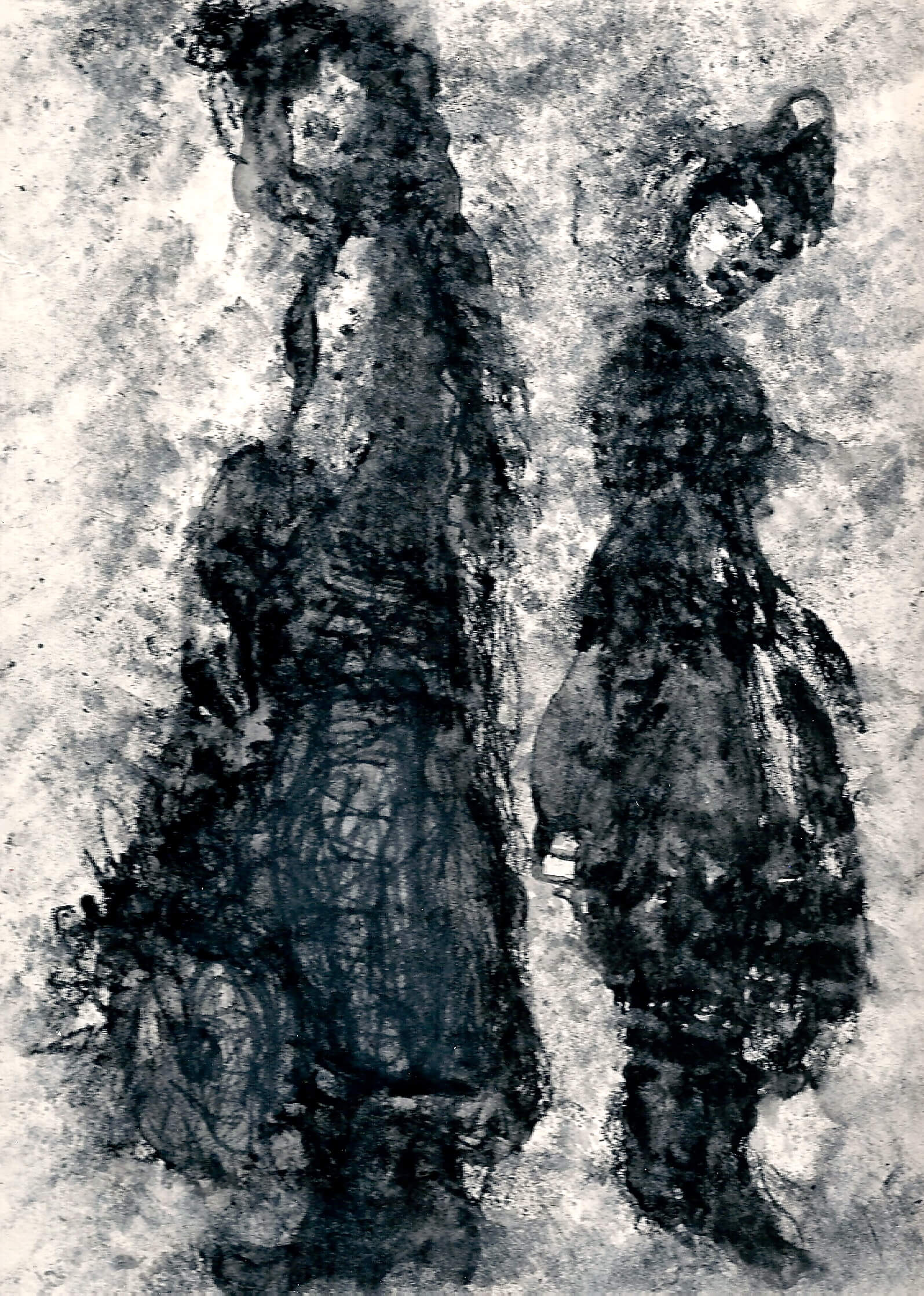
For more than twenty years, she collaborated with theaters in Marseille that exhibited her work and for which she illustrated reviews. In the theater, between intense lights and shadows or halos of darkness, Johanna Heeg’s brush finds its ideal environment: an enchanting setting where the energy of characters and eternal silhouettes is expressed.
In Johanna Heeg’s works, a dreamlike aura, neither religious nor realistic, creates ambiguity: is it a memory, a dream, a reminiscence, or an inner ritual?
She combines images of mourning with the energy of children at play: the children or characters remain united and protective of each other in the midst of the tumult. A crowd of anonymous figures or a bestiary of horned heads are kept at bay by tenderness, embraces, or whispered proximity.
Johanna Heeg enchants us with her poetic memory!
“It seems that there is a very specific area in the brain that could be called poetic memory, which records what has charmed us, what has moved us, what gives our lives their beauty.”
Milan Kundera, in L’Insoutenable Légèreté de l’être
Nous utilisons des cookies pour vous garantir la meilleure expérience sur notre site web. Si vous continuez à utiliser ce site, nous supposerons que vous en êtes satisfait.