Paris on the map with Art Basel Paris
- Post category:Art activists
- Reading time:6 mins read
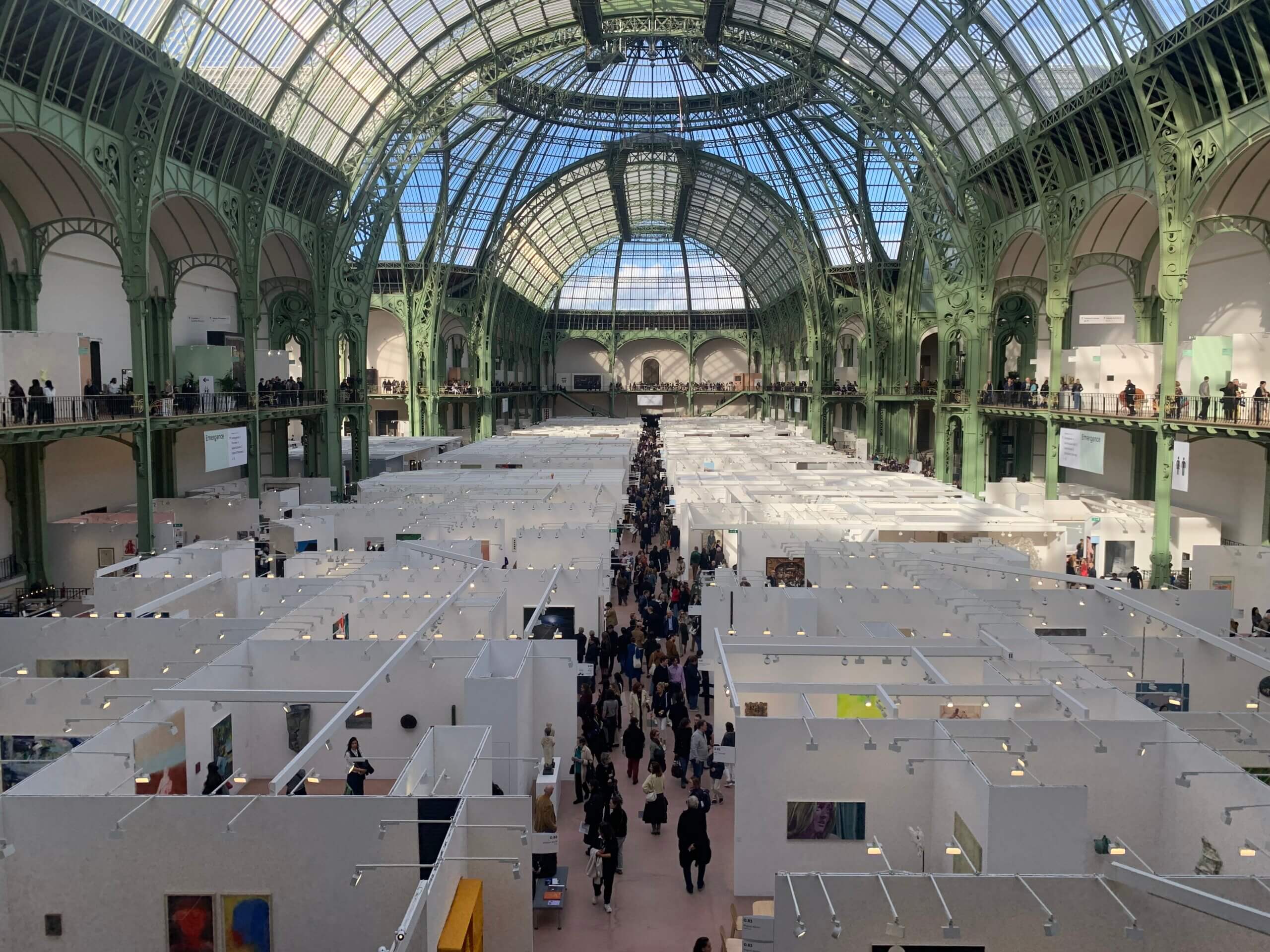
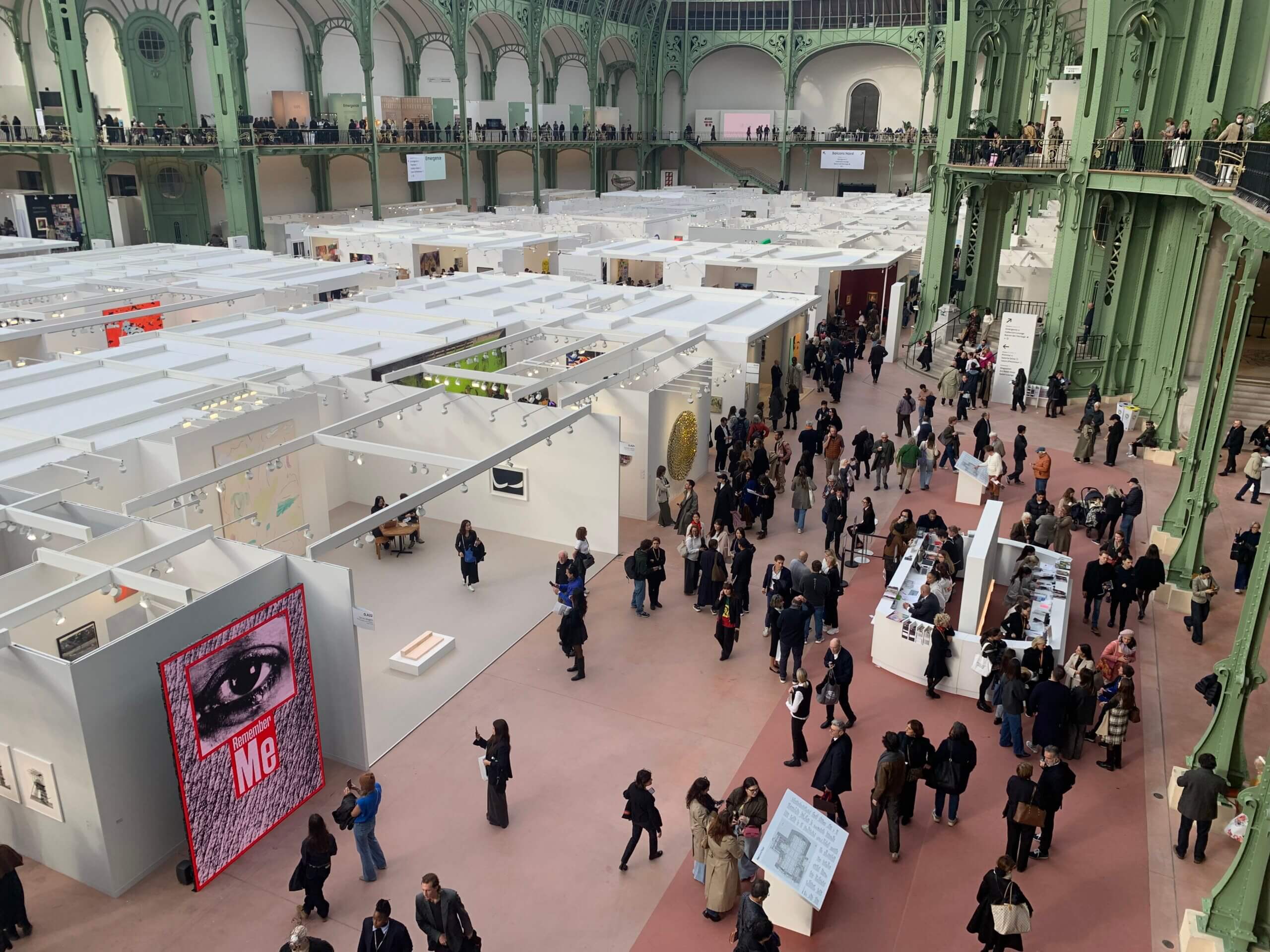
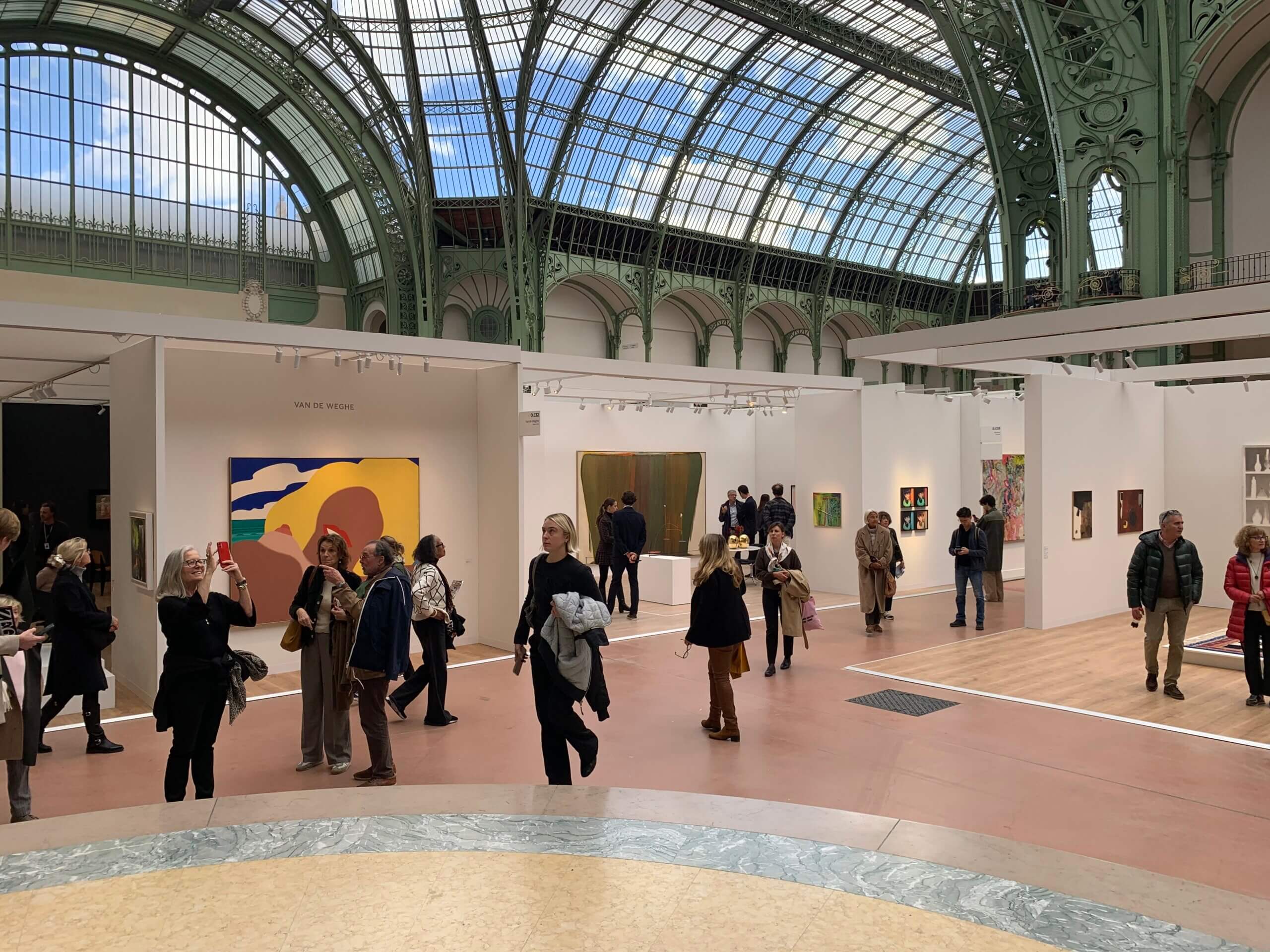
In October, Paris experiences a frenetic week of art. At the pinnacle of the art market, Art Basel Paris illuminates the capital from the Grand Palais. Around it, numerous events related or unrelated to Art Basel are multiplying. Art dealers, gallery owners and art lovers are buzzing with excitement: does this effervescent profusion make Paris an unmissable art capital?
Art merchants, gallery owners, international art fairs – what are we talking about?
What is an art merchant? What is a gallery owner?
In short, art dealers buy works of art to resell them on the secondary market, where works by established artists that have been sold at least once before are traded.
Gallery owners, who have direct relationships with artists, select and present works to the public.
The two professions are distinct but not mutually exclusive, as an art professional can practise both approaches.
No art merchant or gallery owner without an art market!
Art merchants first appeared iduring the Renaissance, in Florence and Venice in the south and Bruges in the north. Economically speaking, for merchants to exist, there must be a place of exchange, a market, which revolves around meeting places such as fairs. The art market and fairs were a consequence of the accumulation of art objects in ceremonial collections and cabinets of curiosities by powerful figures (princes, politicians, wealthy merchants, and urban bourgeoisie). Long limited to local areas, fairs became international over time.
Truly international art fairs began in the 19th century. They originated from art shows where artists exhibited their work to find patrons and buyers, then gradually evolved into more formal and international events, giving rise to international contemporary art fairs.
The rise of international art fairs took off in the 20th century with the creation of Art Basel (in the city of Basel, Switzerland) in 1970 and FIAC in Paris in 1974. Other cities around the world then created their own fairs for the discovery and promotion of contemporary art.
A major event in the art world, international contemporary art fairs bring together artists, collectors, art lovers, art dealers, gallery owners and culture enthusiasts from around the world.
2022: FIAC sidelined, Art Basel conquers Paris
In Paris, FIAC was one of the most important events in the world. In 2019, it attracted 197 galleries.
But in the wake of the Covid pandemic, following a call for tenders by the president of the RMN-Grand Palais, Art Basel ousted FIAC: the Grand Palais chose to place its trust in the Swiss group MCH, owner of the world’s largest art fair, Art Basel, for the next seven years.
According to the January 2022 issue of Beaux-Arts Magazine: ‘the aim is to combine two brands of excellence, Art Basel and Paris, in order to attract more international clients and more collectors’.
The cult of premium then took hold: in October 2022, the daily newspaper Les Échos reported the unapologetic comments of one exhibitor: “It’s not a bad thing. Art Basel has cleared out a crowd of socialites who weren’t buying.”
At the heart of the media battle, the question of the fair’s name became heated. It would be neither ‘FIAC’ (RX, the company that managed the former FIAC, opposed it) nor ‘Art Basel Paris,’ as the MCH Group claimed to refuse it.
In October 2022, the new fair was launched under the name Paris+ by Art Basel, but in 2024, the name Art Basel Paris prevailed. Has the Art Basel brand taken precedence over the Paris brand? The ogre swallows Paris.
By 2025, the controversy is forgotten by the general public, and the Art Basel Paris fair has established itself.
Segmentation, elitism and VIPs: the pillars of Art Basel Paris?
The powerful and highly elitist contemporary art fair aims to attract an increasingly international and wealthy clientele. Art and artworks are the vehicle for a subtle and selective commercial policy regarding access days, number of visitors, and various benefits, including a glass of Champagne.
It begins with three ‘Preview’ days reserved for VIPs, followed by three days for the general public. According to Le Quotidien de l’art on 24 October 2025, spectacular sales marked the preview days. The high-end art market is doing well!
The admission fee may seem expensive, but a remarkable show lasting several hours awaits! €38 for a two-hour evening, €45 for a day, €110 for the opening afternoon, €120 for a permanent ticket without a glass of champagne, €200 for a permanent ticket with a glass of champagne, €650 for a ‘Premium Pass,’ and €1,300 for a ‘Premium Connection Pass.’
What can you discover at Art Basel Paris?
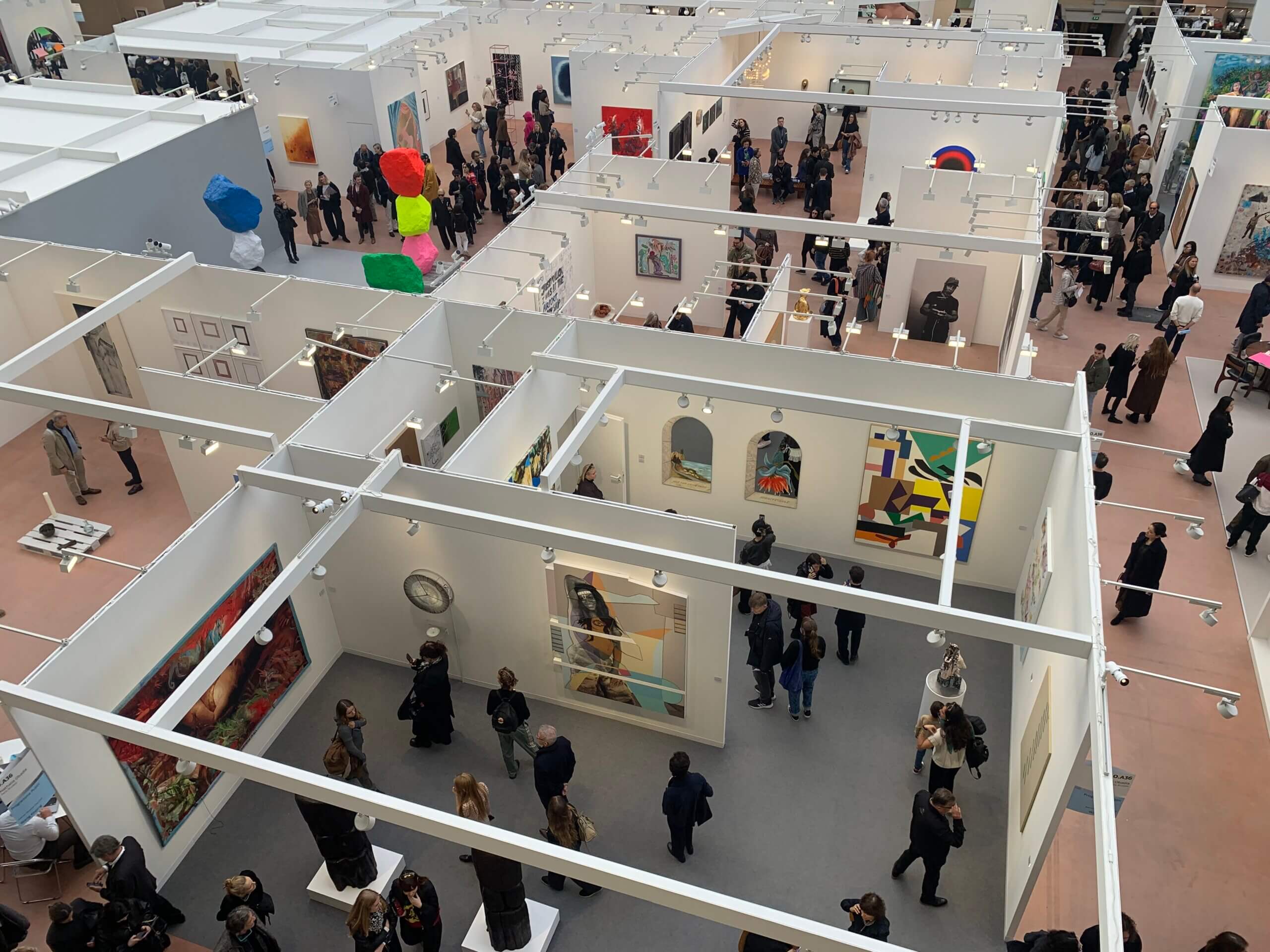
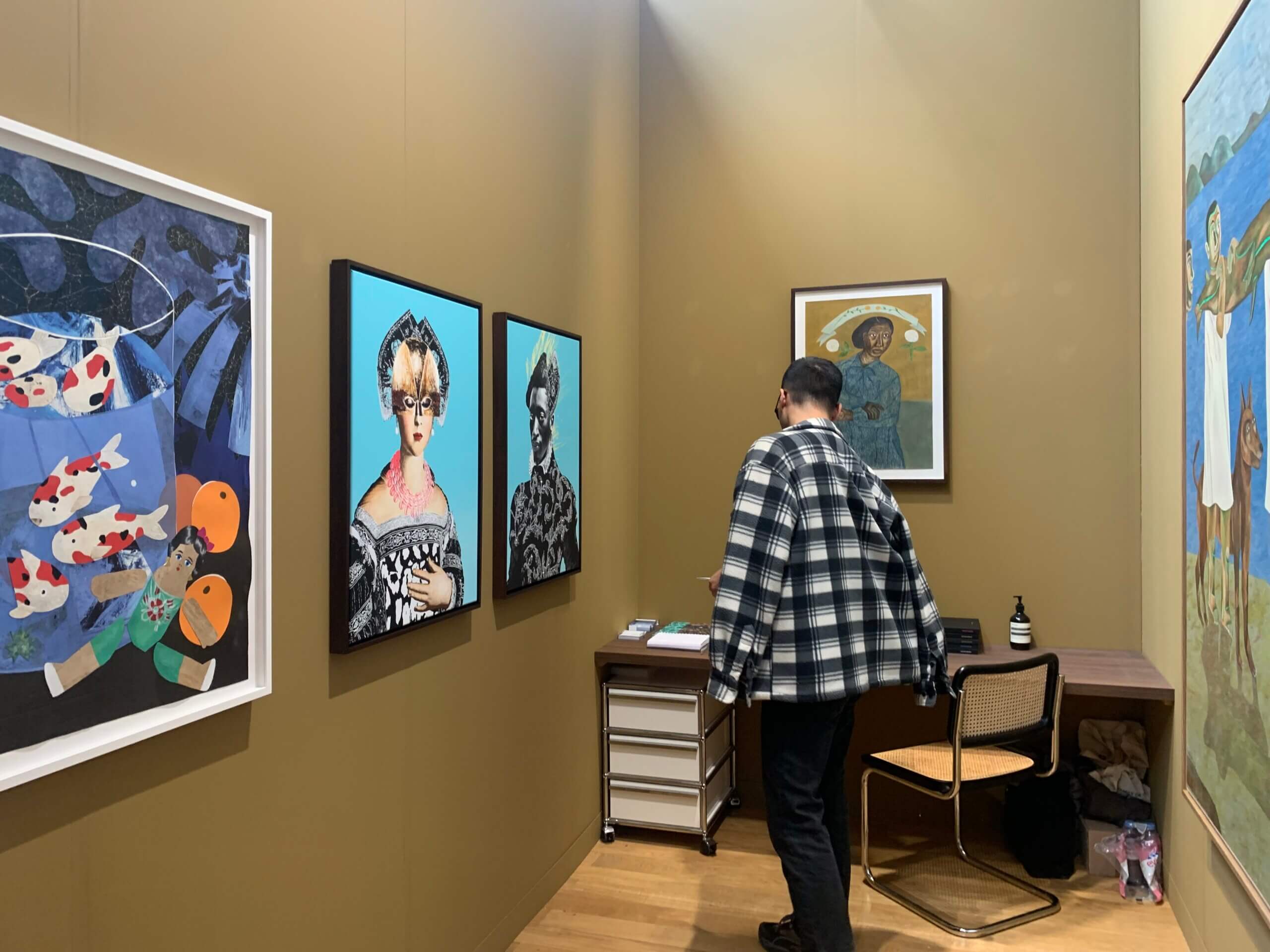
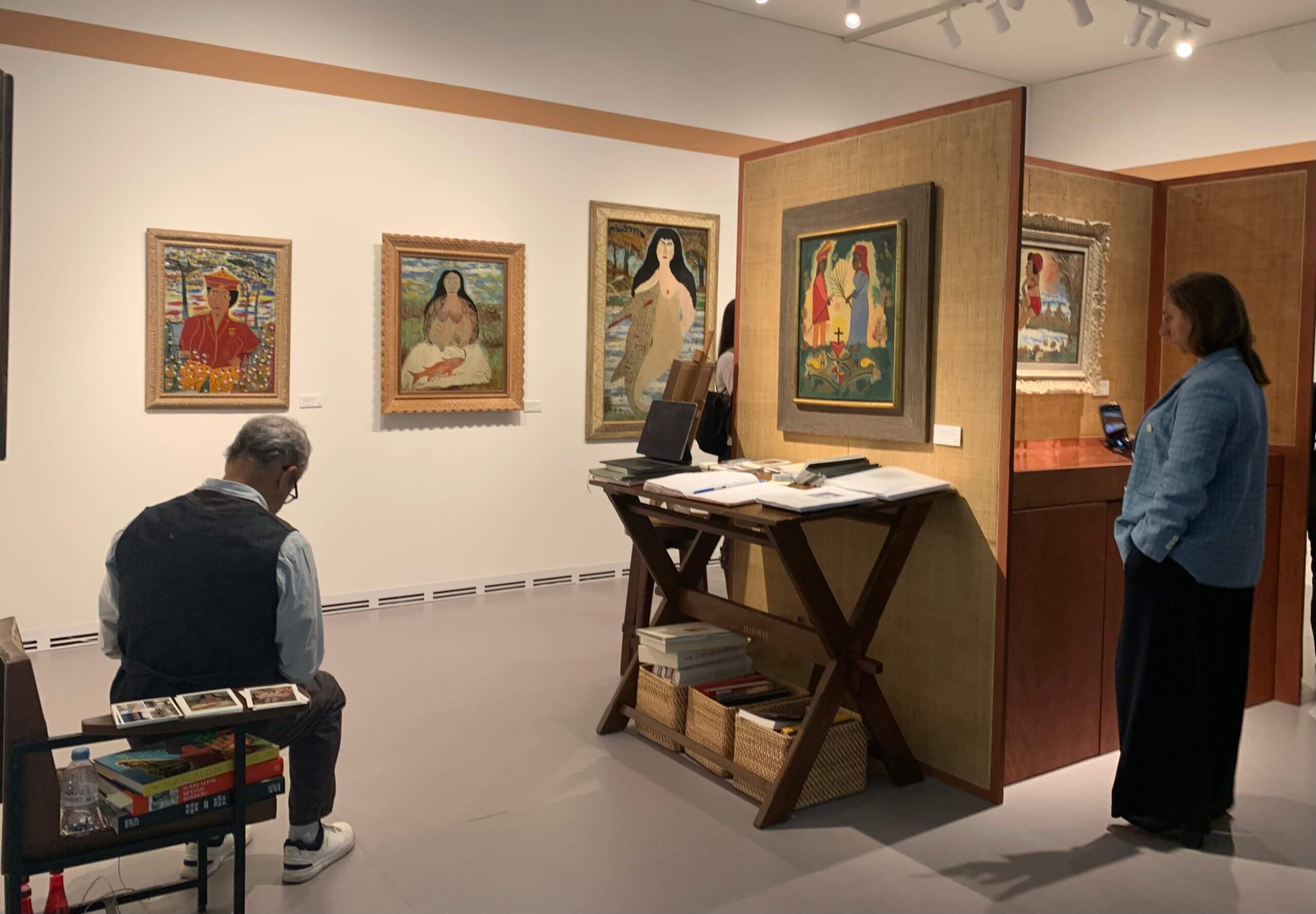
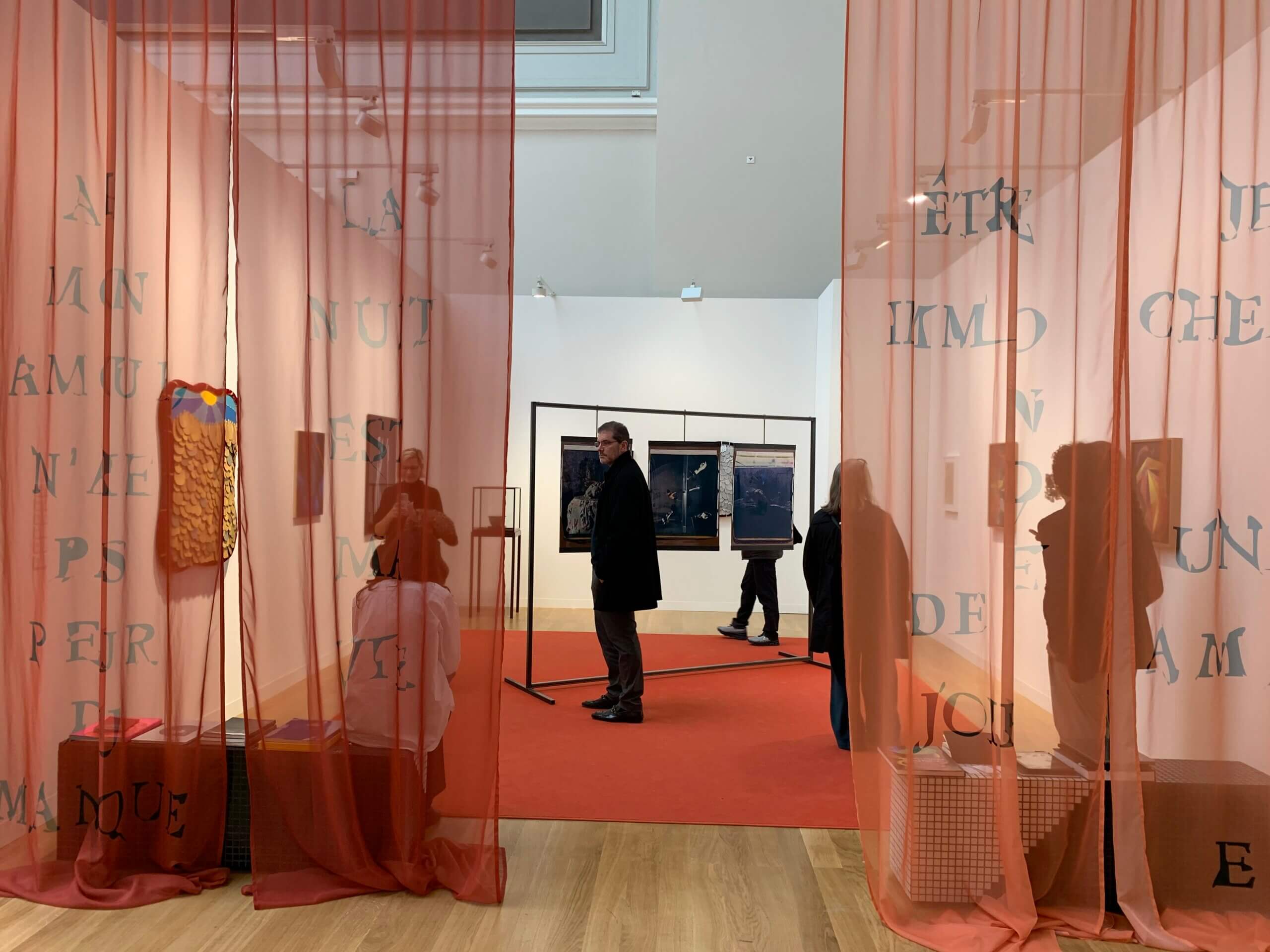
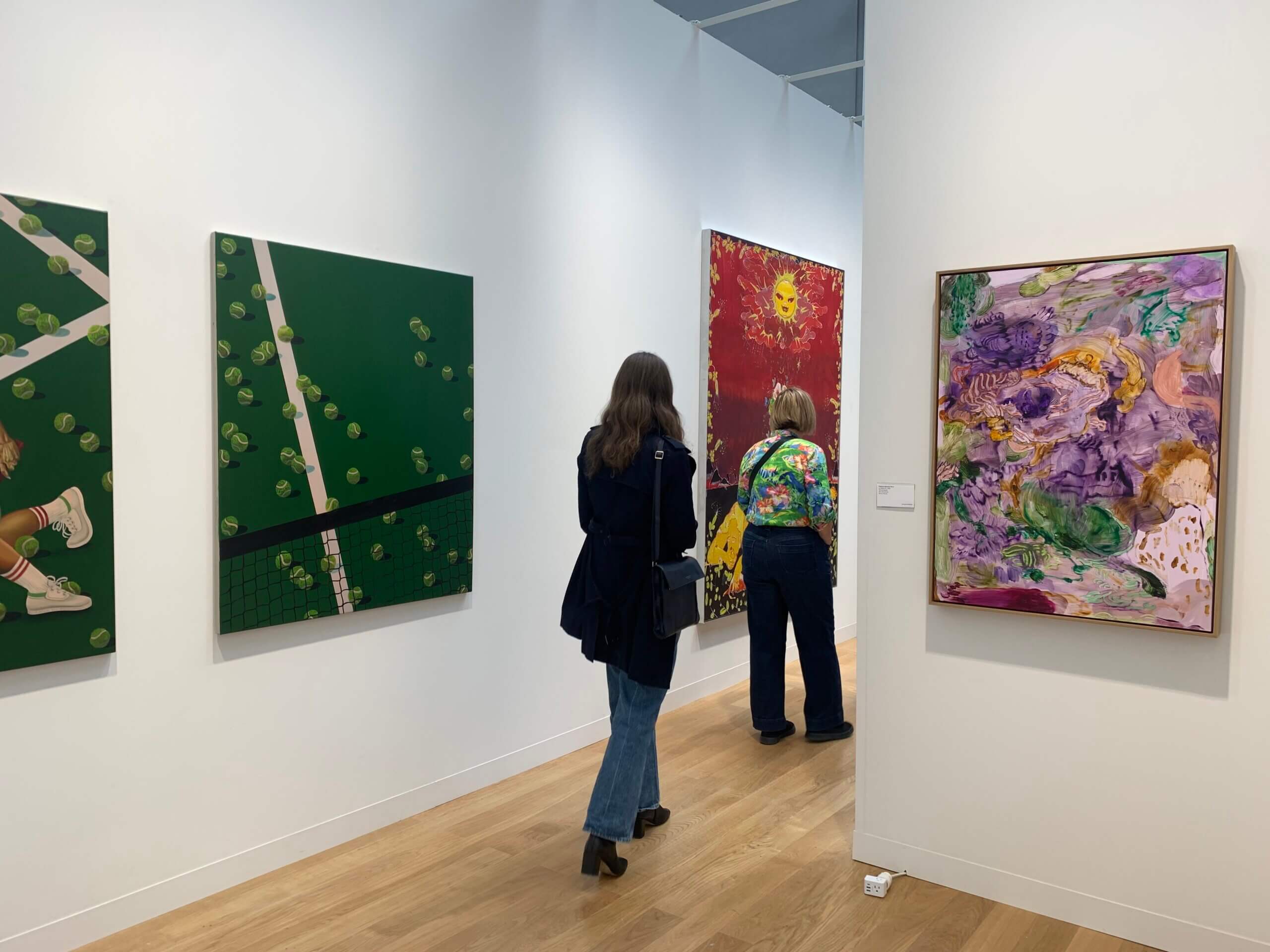
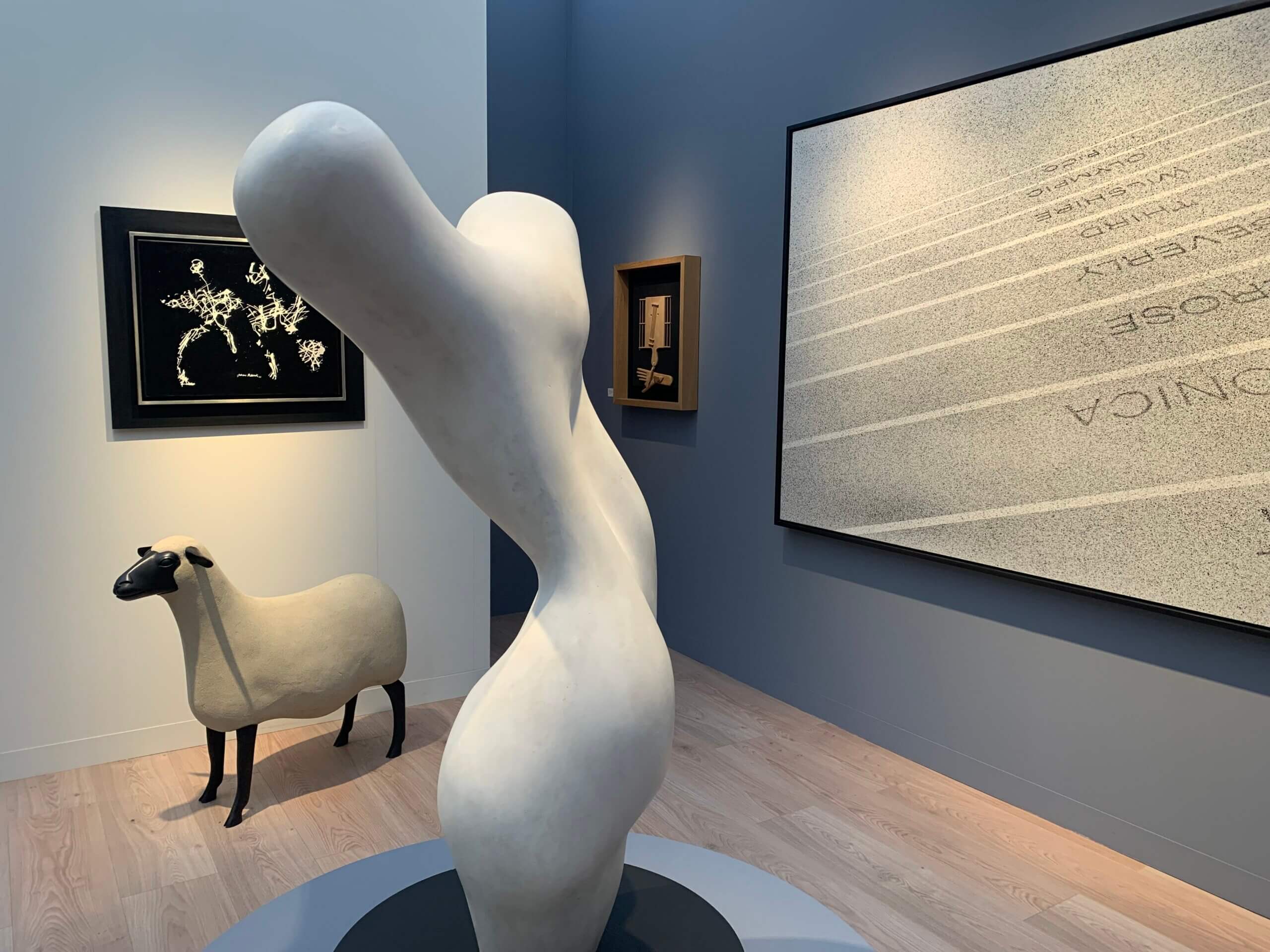
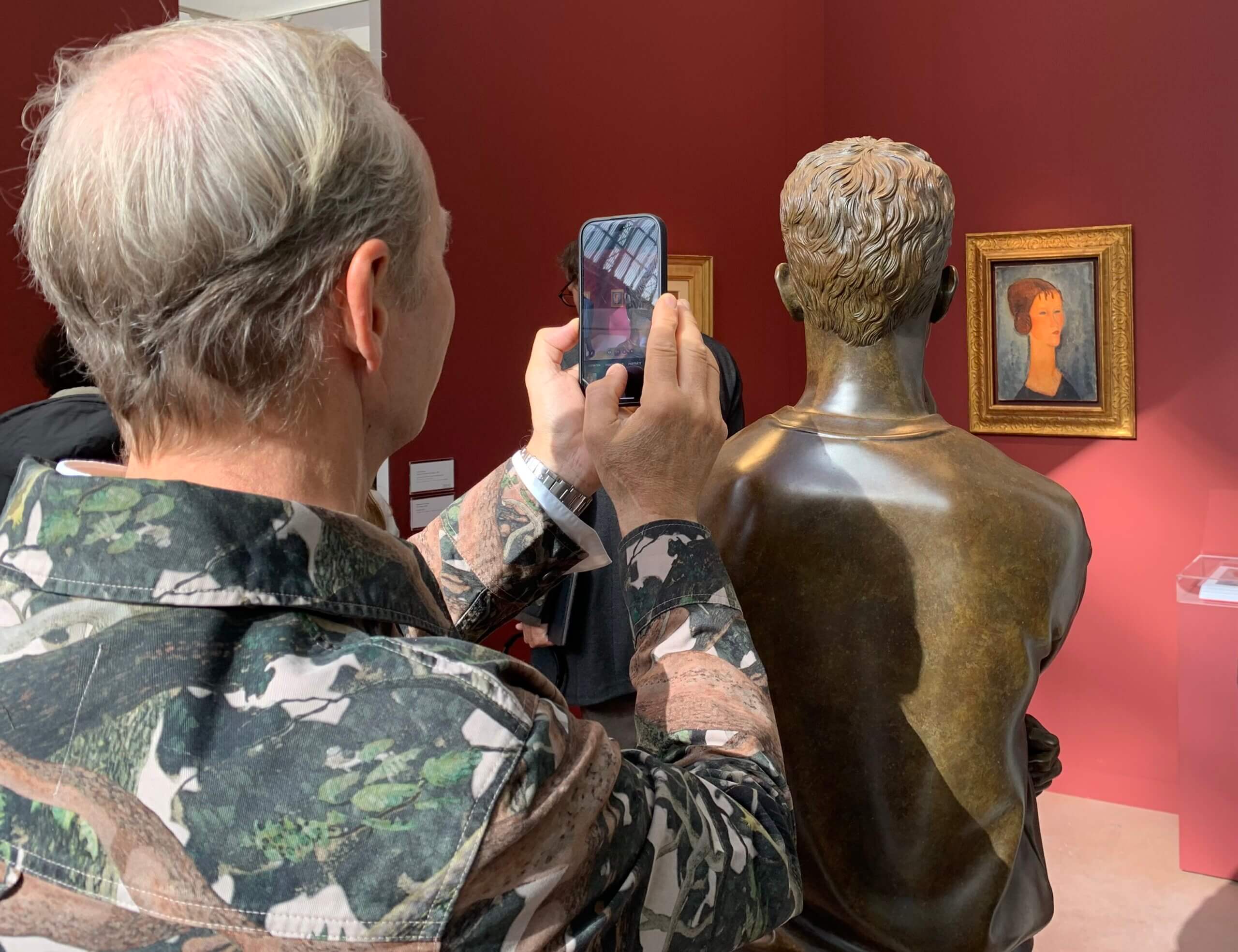
The 2025 edition brings together 206 galleries from 41 countries. Under the glass roof of the Grand Palais, art professionals offer exceptional displays and staging. In addition to contemporary creations, you will encounter works by Egon Schiele, Otto Dix, Picabia, Picasso, Matisse, Miró, Gauguin, Degas, Dubuffet, Andy Warhol and others. When you go to a museum or exhibition, you know what to expect, but with Art Basel Paris, there are delightful surprises. The spectacle is on the walls and among the audience: a delight of encounters!
There are many international visitors, and the fairways echo with multiple languages.
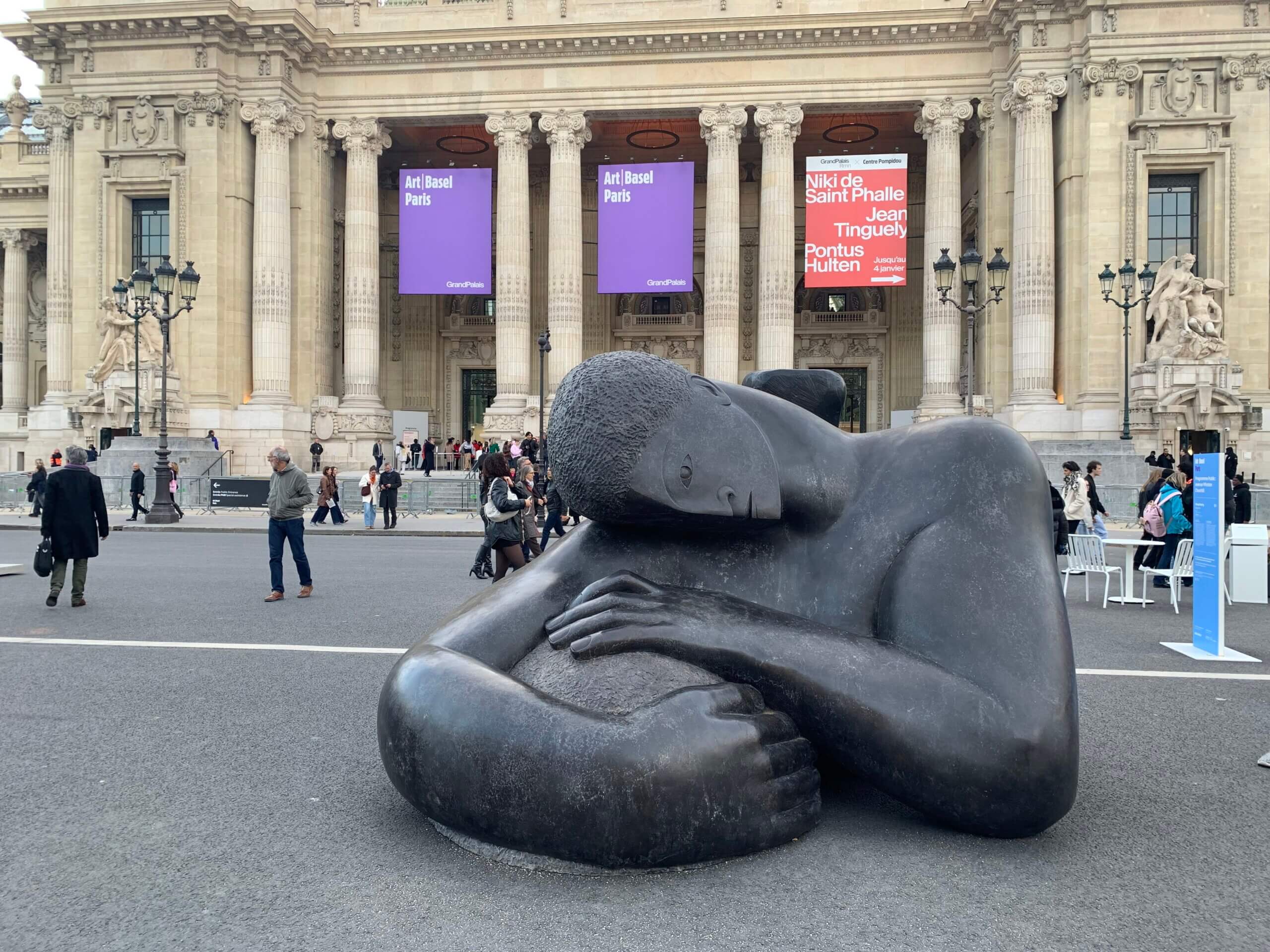
For the occasion, Avenue Winston Churchill is closed to traffic and transformed into a green terrace space with monumental sculptures and friendly food trucks between the Grand Palais and the Petit Palais.
With this profusion and effervescence, Paris regains its status as the unmissable capital of art!
Artistes Actuels’ five favourites
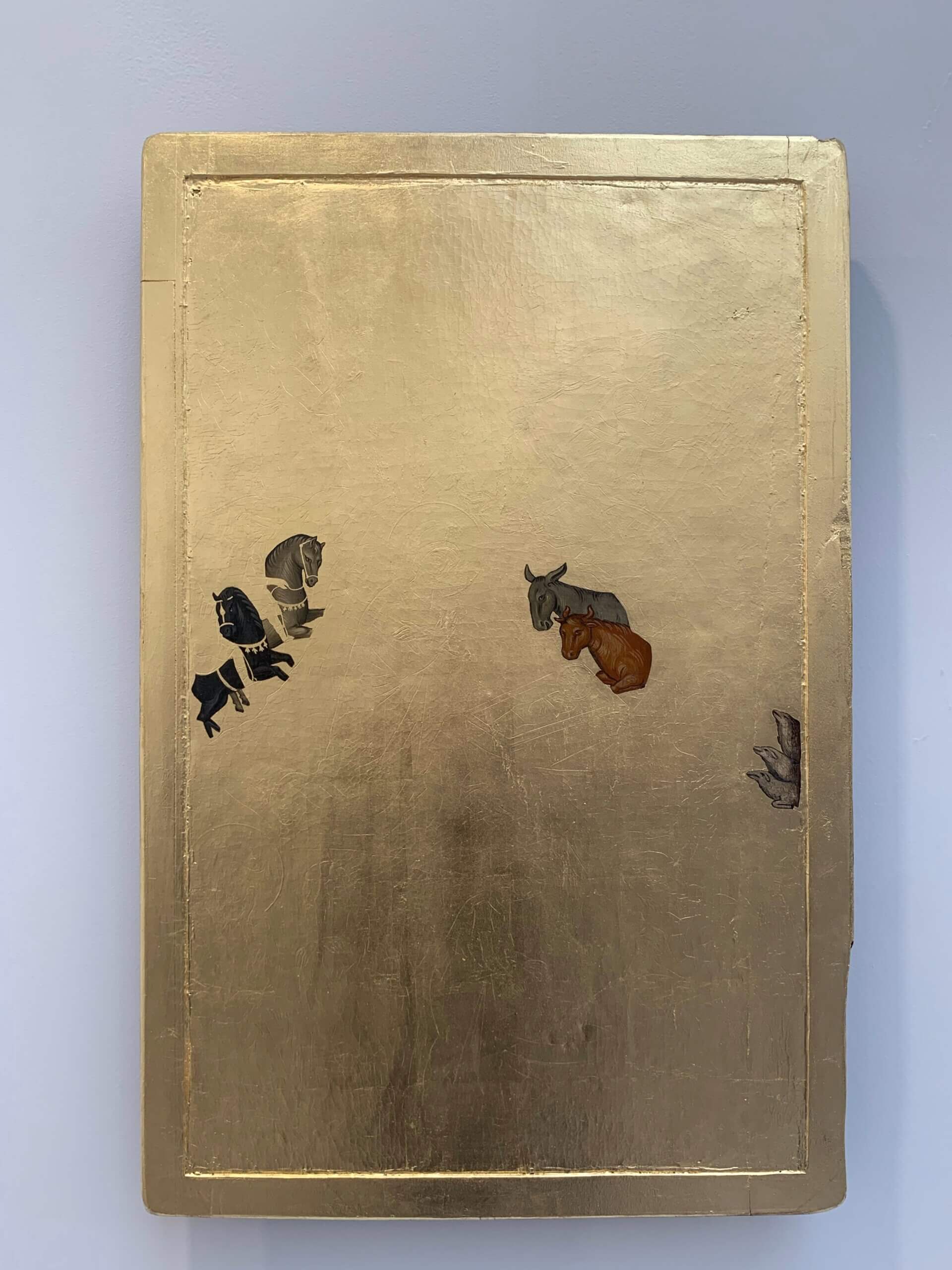
- The golden icons of Étienne Chambaud, a contemporary French artist represented by an Exican gallery.
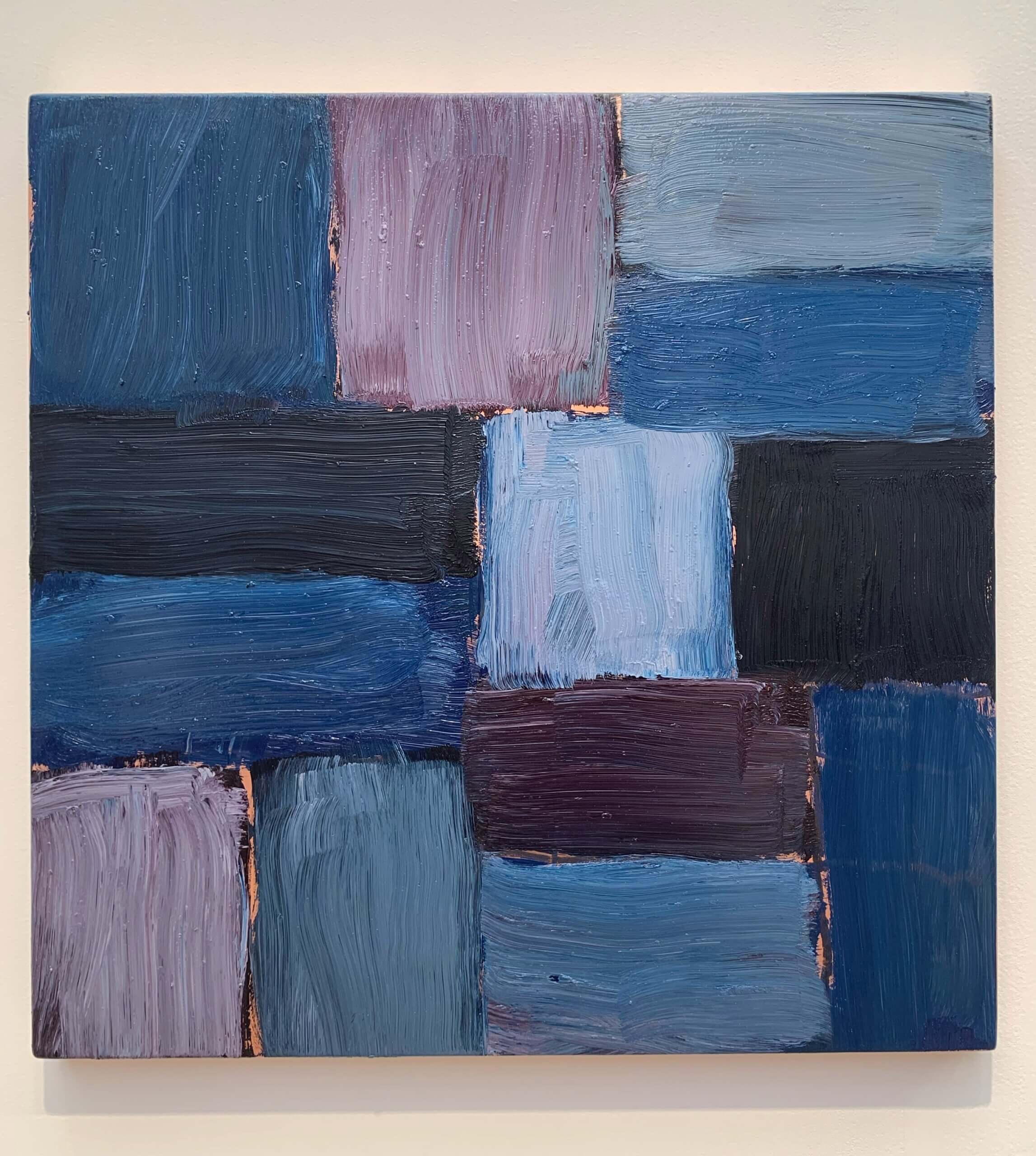
- Wall Blue Moor, 2024, oil on copper, 70 x 70 cm, by Sean Scully
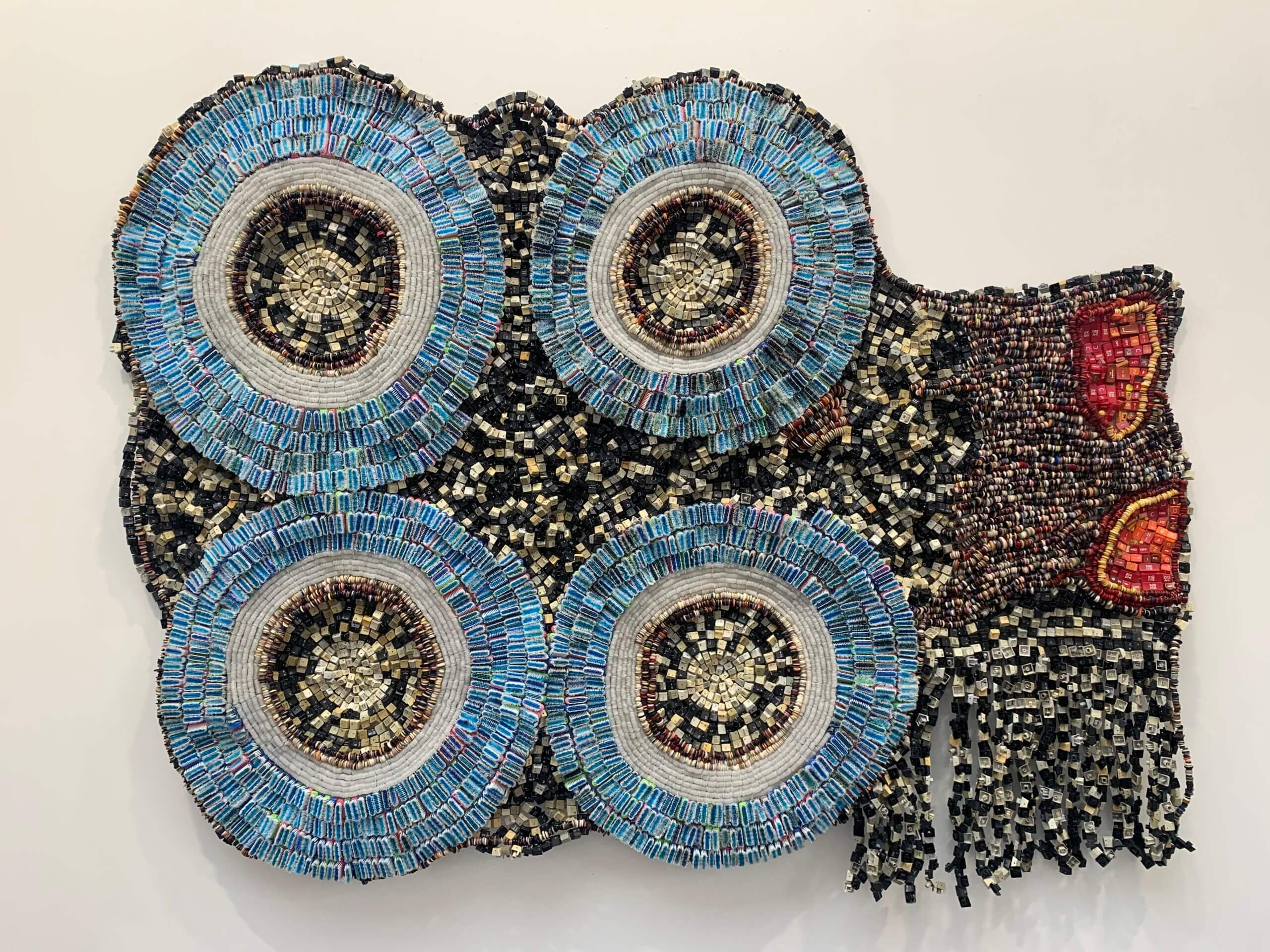
- Clean Teeth, 2025, by Moffat Takadiwa, assemblage of toothbrush heads, computer keyboard keys, toothpaste tube caps and metal clothing buttons, 140 x 188 x 10 cm
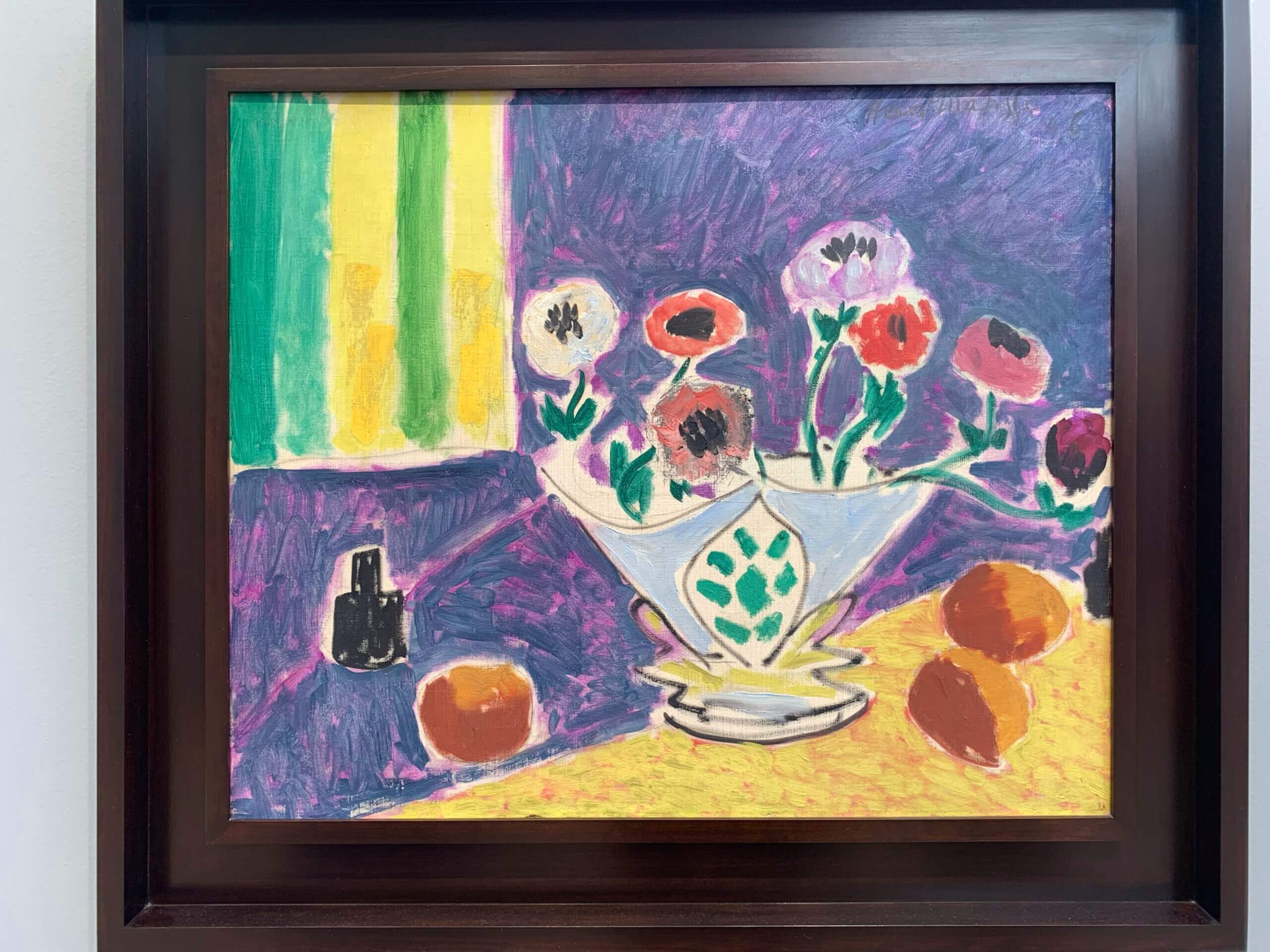
- Matisse’s Vase of Anemones, oil on canvas, 1946, 60 x 73.3 cm
- Girl with Macaroons, 1918, by Amedeo Modigliani, oil on canvas, 46 x 33.3 cm
© artistesactuels.fr – the thrill of artistic discoveries