Collecting contemporary art is about far more than buying beautiful objects. It is a personal journey shaped by emotion, curiosity, and the desire to live with works that truly resonate.
Buying a work of art is also about an encounter: with an artist, a vision, a gesture, a way of seeing the world.
At Artistes Actuels, we believe in a simple and thoughtful approach: discovering living artists, connecting with singular works, and buying with confidence thanks to careful selection, clear guidance, and direct encounters with artists.
Whether you are buying your very first piece or looking to refine your eye, these 8 essential tips will help you build an art collection with greater clarity and discernment.
1 - Why start an art collection?
Art speaks to the eye, the soul, and the intellect.
Starting an art collection means supporting living creativity while building a cultural and emotional world around yourself. It can also become a thoughtful long-term investment.
But not all buying channels offer the same level of quality, expertise, or curation. That is why it is important to understand how artists are selected and where works are presented before making a purchase.
2 - Buy with heart or head?
Both! The first step is always emotional. A work should move you. That first spark matters because you will live with the piece every day. Then comes reflection. Take time to learn more about the artist: their background, visibility, gallery representation, institutional presence, and public sales history.
Over time, experience will teach you to distinguish between contemporary artists, craftspeople, and other creative professionals such as designers or illustrators, so that you can buy with greater awareness.
What to keep in mind: For a first purchase, trust your instinct. Later, your eye will naturally become more informed and more demanding.
What to remember: For a first work, let your heart do the choosing. With time, you’ll naturally seek greater depth, and your discernment will grow as your eye becomes more educated.
Emotion Is Often the True Starting Point
Living with art changes the way we look at the world and at others.
A work of art reaches something in us that words often cannot. It awakens emotion on a deep, non-verbal level.
Art is not simply decoration. A work is something you build a relationship with. It becomes a presence, almost a companion, with which you feel a certain affinity.
That is why collecting remains an intimate and personal experience. Rational advice can help, but it should never silence genuine feeling. Pleasure matters.
Can art also be an investment?
Yes — but it should be approached with lucidity. When art is bought primarily as an investment, the first motivation often becomes financial or social satisfaction rather than visual or emotional pleasure. Ideally, both dimensions can coexist: love of the work and awareness of its potential value.
Like any asset, art can appreciate over time. But doing so requires knowledge: the artist’s market, previous sales, collector demand, and the broader context in which the work circulates. Even experienced professionals cannot eliminate the risk of loss entirely.
Art can be a wise investment, but it should never be reduced to speculation alone.
In any speculative market, price volatility is an unavoidable risk. Artistes Actuels encourages you to follow your taste and your emotions. It is better to let pleasure and curiosity guide your first choices. You may even end up making a sound investment as well
3 - How do you navigate the different art buying channels?
Should we speak of the art market or the art markets? The singular phrase suggests a single unified system, but reality is far more complex. There is not one art market, but many.
When people say, “The art market grew strongly in 2025,” they are referring to a vast and highly uneven ecosystem. A spectacular sale may dominate headlines, but it often gives a distorted picture of the broader reality.
In truth, there are multiple art markets and buying circuits:
the primary market: galleries and living artists
the secondary market: auctions and resales
local, national, and international markets
contemporary, modern, tribal, digital, and historical art markets
Each operates according to different codes, levels of transparency, and pricing logic.
A useful rule: Train your eye continuously. Visit galleries, museums, artists’ studios, fairs, and read respected art publications. Online platforms can also be useful, but their quality is highly uneven.
What to keep in mind: When starting out, choose channels where genuine curation, guidance, and mediation are part of the experience.
4 - What budget should you plan for?
There is no universal minimum budget for starting an art collection. You are the best judge of what feels right for you.
The important thing is to set clear limits and understand the market you are buying into. Research and experience will gradually help you recognise fair pricing. And remember: the cost of a work does not stop at the purchase price. You may also need to consider: framing – transport, especially for larger works – installation – conservation conditions over time
A point to remember: Always think about the durability of a work and how easy it will be to preserve properly.
Practical advice: Do not hesitate to ask about instalment payments. Many artists and galleries are open to flexible payment options.
5 - Where is the best place to buy art?
Not all galleries and platforms play the same role.
Some simply accumulate works. Others defend a clear curatorial vision and make real choices about the artists they present.
For a collector, that difference is essential. A selective environment helps you discover stronger work, better understand an artist’s practice, and buy in a clearer, more reassuring framework with transparent information and conditions.
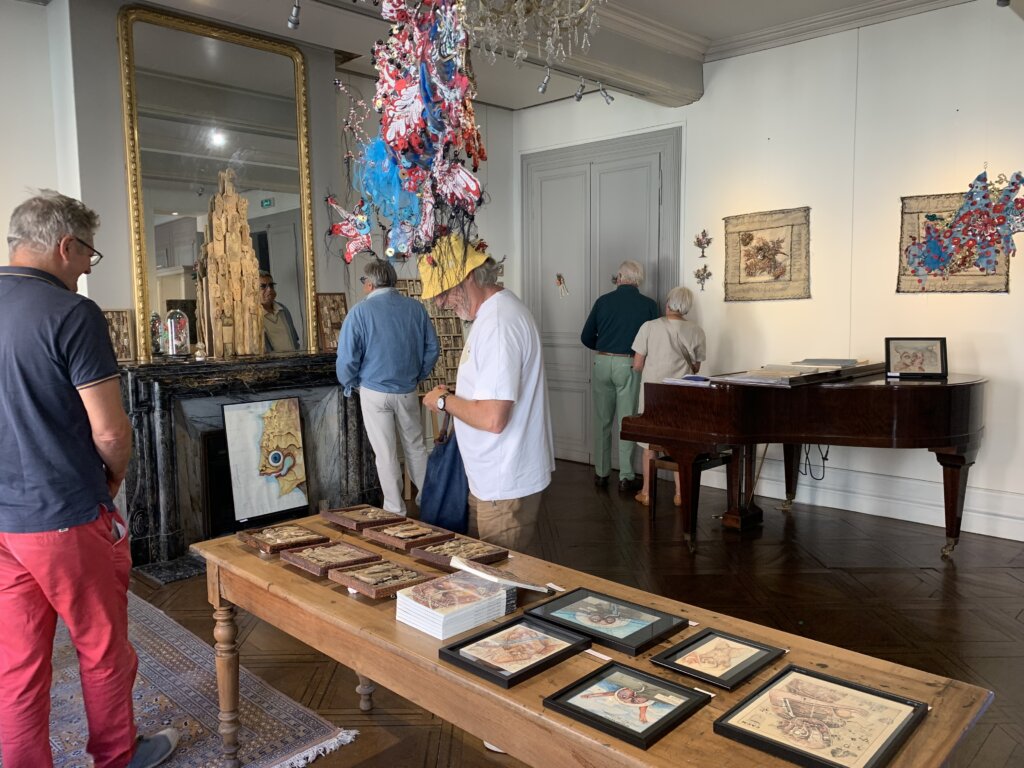
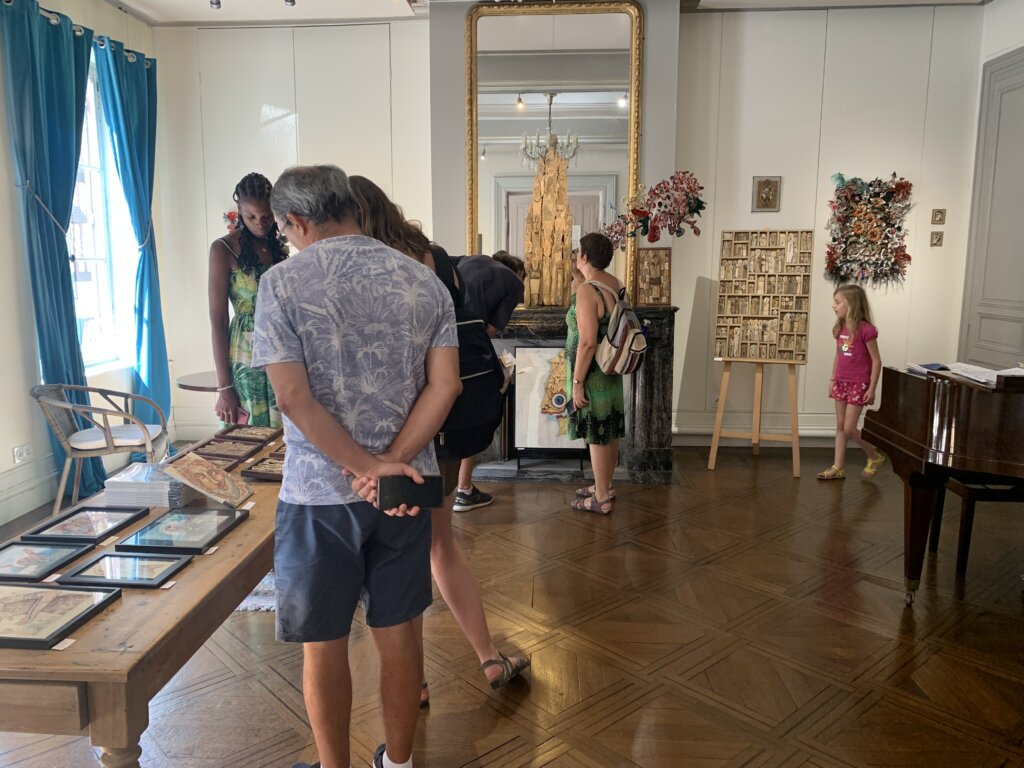
Galleries provide selection, context, expertise, and guidance.
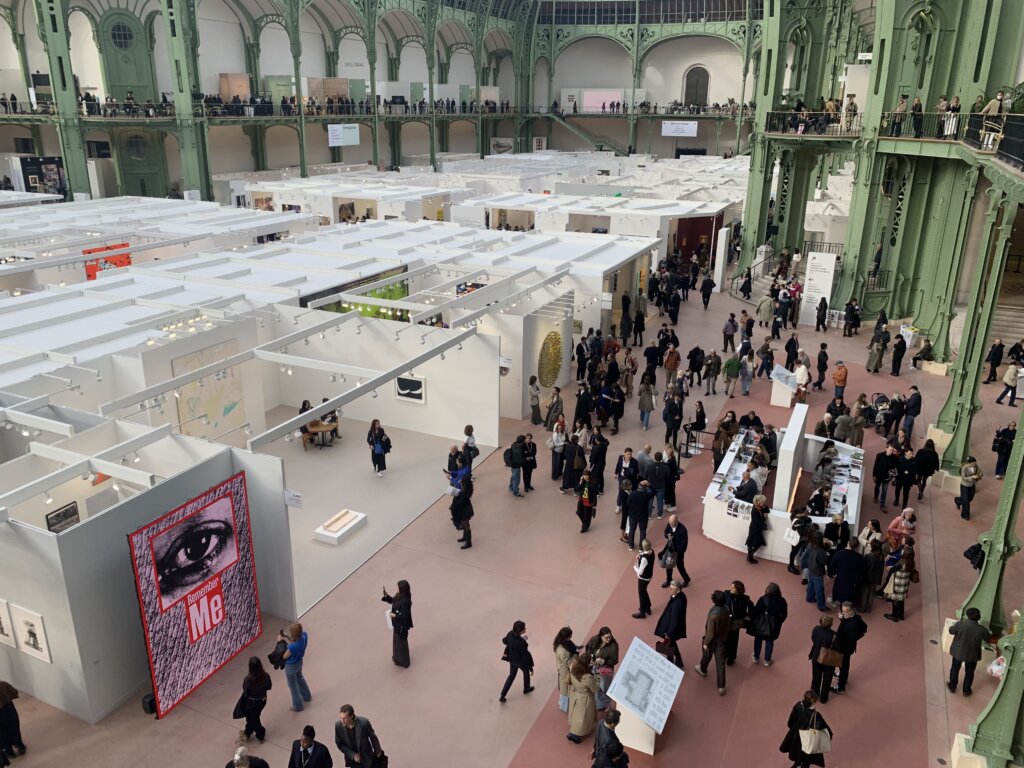
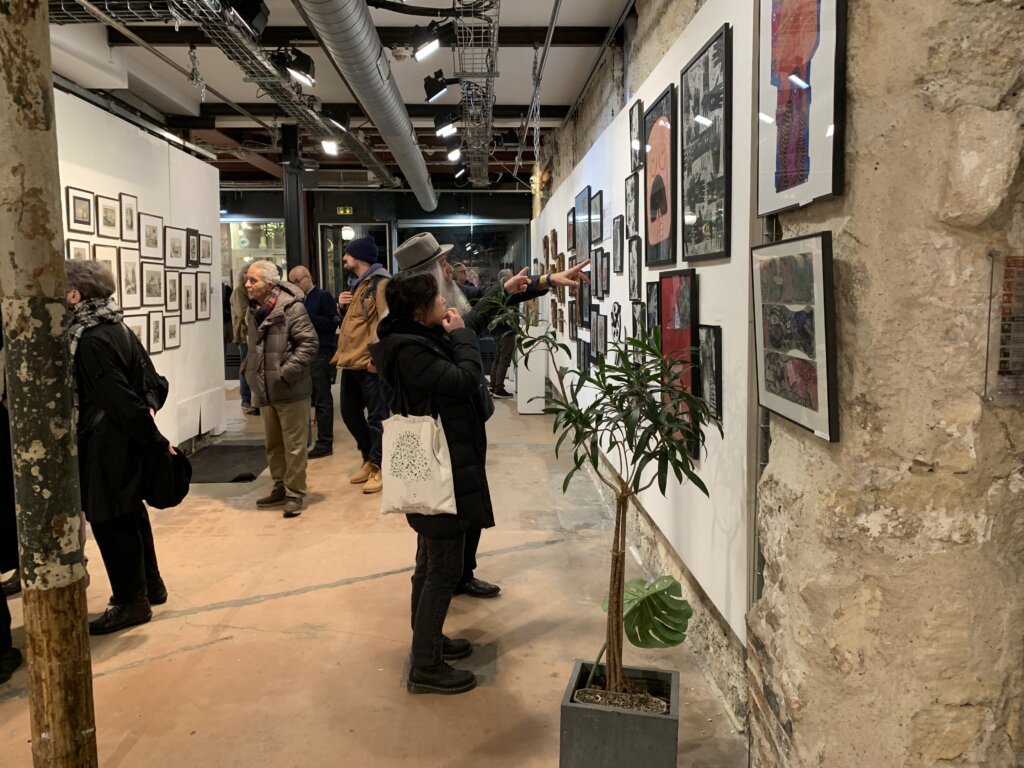
Art fairs and salons offer a broader view of the contemporary art scene and the chance to meet artists directly.
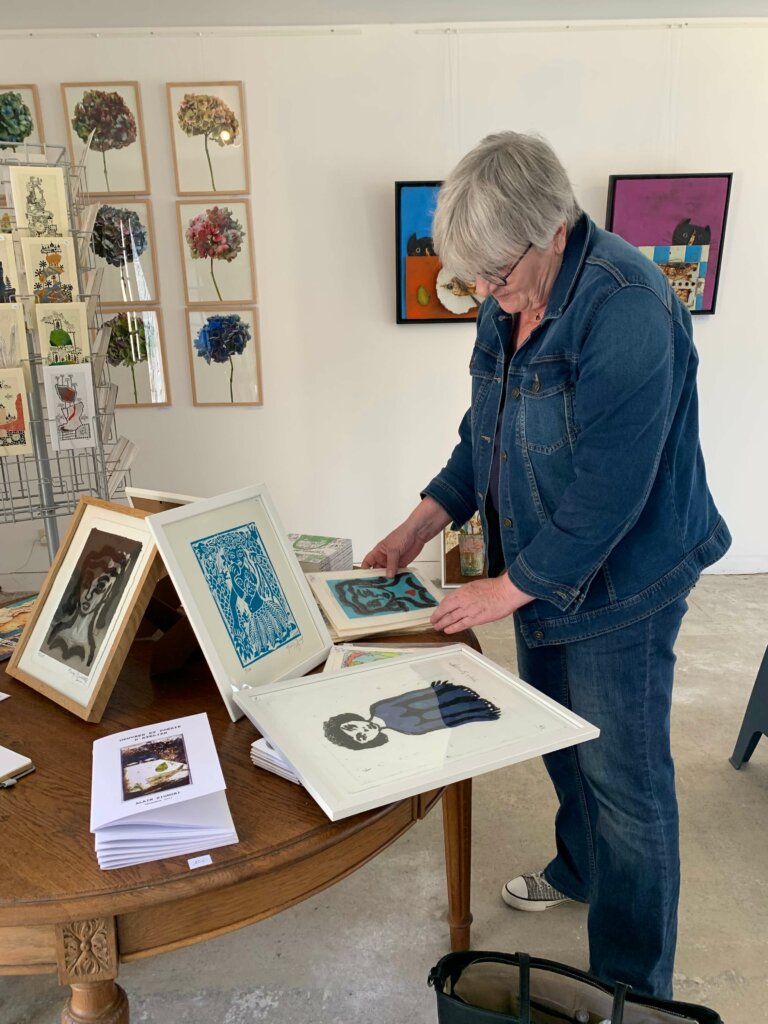
Artists’ studios create a direct relationship and can lead to immediate, instinctive discoveries.
Auctions are part of the secondary market, where collectors and galleries resell works. They can offer useful pricing references, but they also require knowledge, caution, and awareness of additional fees.
A point of caution: Many large online art platforms now function like vast marketplaces where the best and the worst coexist. Visibility is often influenced by money rather than by artistic merit or curatorial integrity.
6 - How do you choose the right artist?
Supporting an emerging artist means supporting a creative path that is still unfolding — often at a more accessible price point. But it should be done seriously. Look at the artist’s trajectory, exhibitions, collaborations, and professional consistency.
Remember: for an artist to build a career, they need to sell work and be collected. Art pricing is not regulated. Prices are shaped by many factors, including:
the artist’s career stage
the market in which they operate
previous sales
the perceived coherence and strength of their practice
what collectors are willing to pay
The price of an artwork has little to do with hours worked. Unlike craftsmanship, art is not priced according to labour and raw materials alone.
Auction records can sometimes serve as a benchmark, but only a small number of artists have that kind of public pricing history. In many cases, value is built gradually through galleries, collectors, artists, and actual sales.
In art, pricing always contains an element of uncertainty. Reputation is constructed over time. Sometimes an influential collector or a major collection can dramatically accelerate an artist’s recognition. But market validation and artistic significance are not always the same thing.
7 - How do you live well with a work of art?
Once you buy a work, how you live with it matters. Choose its placement carefully. Avoid direct sunlight, humidity, and strong heat sources. Use a professional framer when needed, and pay attention to lighting, which can completely transform how a work is perceived.
A few simple habits can make a big difference: rotate works from time to time – build an evolving wall as your collection grows – use a proper hanging system for flexibility and safety
Collecting is not only about buying — it is also about creating the right conditions for looking.
8 - When do you become a real collector?
You become a collector the moment you begin choosing with consistency.
Not to accumulate, but to build a personal world shaped by emotion, discovery, taste, and loyalty.
A collection does not need to be spectacular to be meaningful. It simply needs to be coherent with the way you see.
Your collection does not need to be prestigious. It needs to tell a story — your story. The story of your tastes, your emotions, your encounters with artists, and the eye you are slowly developing.
Starting a collection does not mean knowing everything from the start. It means learning to look, recognising what truly moves you, and choosing with growing confidence.
At Artistes Actuels, this journey begins with a curated selection of living artists, original works at accessible prices, studio visits, artist encounters, and guidance designed to help you buy with complete peace of mind.
Discover the gallery, explore the catalogue, and let your eye lead the way.
Nous utilisons des cookies pour vous garantir la meilleure expérience sur notre site web. Si vous continuez à utiliser ce site, nous supposerons que vous en êtes satisfait.