
Jeanne Tripier, mediumistic muse of Outsider Art, explained by Lise Maurer
- Post category:Art activists
- Reading time:6 mins read
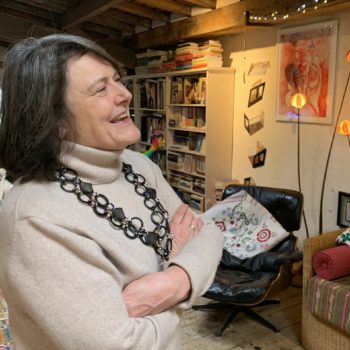
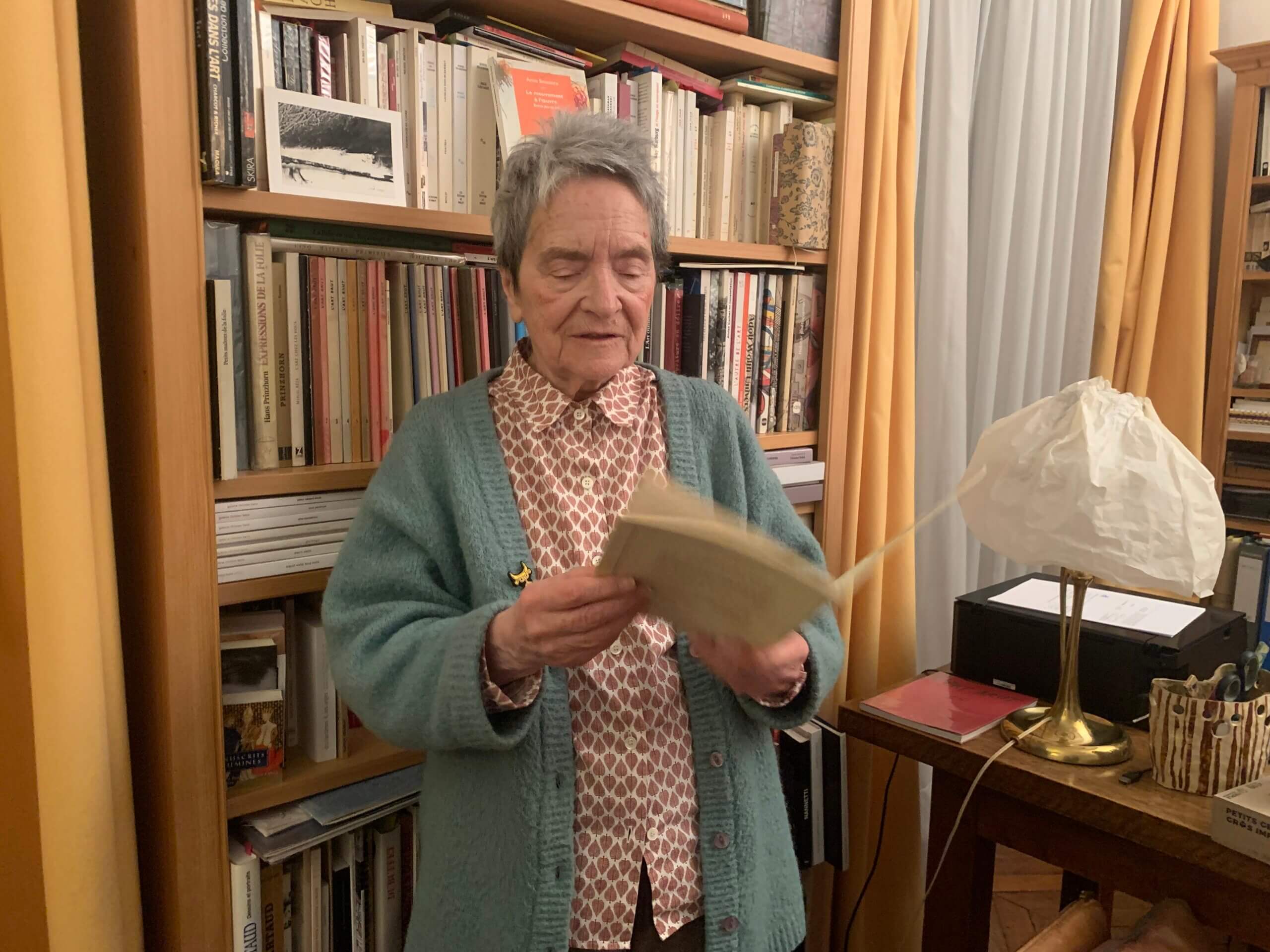
A humanist psychiatrist and psychoanalyst, Lise Maurer is a very discreet intellectual figure of Outsider Art. But isn’t discretion the essence of Outsider Art?
According to historian Lucienne Peiry, Outsider Art works produced by self-taught artists, for themselves within a certain marginality, reflect three key words: isolation, secrecy and solitude. As she states: “Every Outsider Art creation is rare. Any high fever creation is rare”. Outsider Art works are by definition underground, veritable treasures.
Between drawing, cinema and medicine, Lise Maurer's career story
Concerns about the Second World War and a family tragedy led Lise Maurer towards medicine, psychiatry and psychoanalysis.
However, as a student at the Lycée Hélène Boucher in Paris, like this aviation pioneer, Lise Maurer dreamed of adventure and wanted to devote herself to filmmaking. Her way would be quite different, but her pioneering and adventurous approach would live on.
She began her career at the Ville-Evrard psychiatric hospital. As a pioneer, she set up the Bondy day hospital: not locking people up for long periods and opening up to art were revolutionary at the time. People come in on a daily basis, in a flexible, non-systematic way; the care protocol is agreed between the patient, the doctor and the care teams.
In line with the thinking of Jean Oury [1924-2014], she reconsidered the psychiatric institution: to provide care, the institution had to stop being sick, it had to provide care rather than suffering. Patients receive care during the day, and life on the outside is possible. The asylum no longer exists.
Her mother would have liked to paint and draw, but unable to attend the Beaux-Arts, she decided to become a nursery school teacher. In this context, she introduced her daughter Lise to drawing and art.
Art in psychiatric settings, the art of resistance and insurrection
Lise Maurer’s encounter with Hodinos works at Ville-Evrard, an ex-communard, marked the start of meticulous research into the lives of the artists that Jean Dubuffet brought together under the label “Art Brut”.
Lise Maurer wants to understand the works and discover the tumultuous lives of their authors. She has published three monographs on Art Brut artists:
- Émile Josome Hodinos, Fascicule 18, Collection de l’Art Brut, Lausanne, 1994
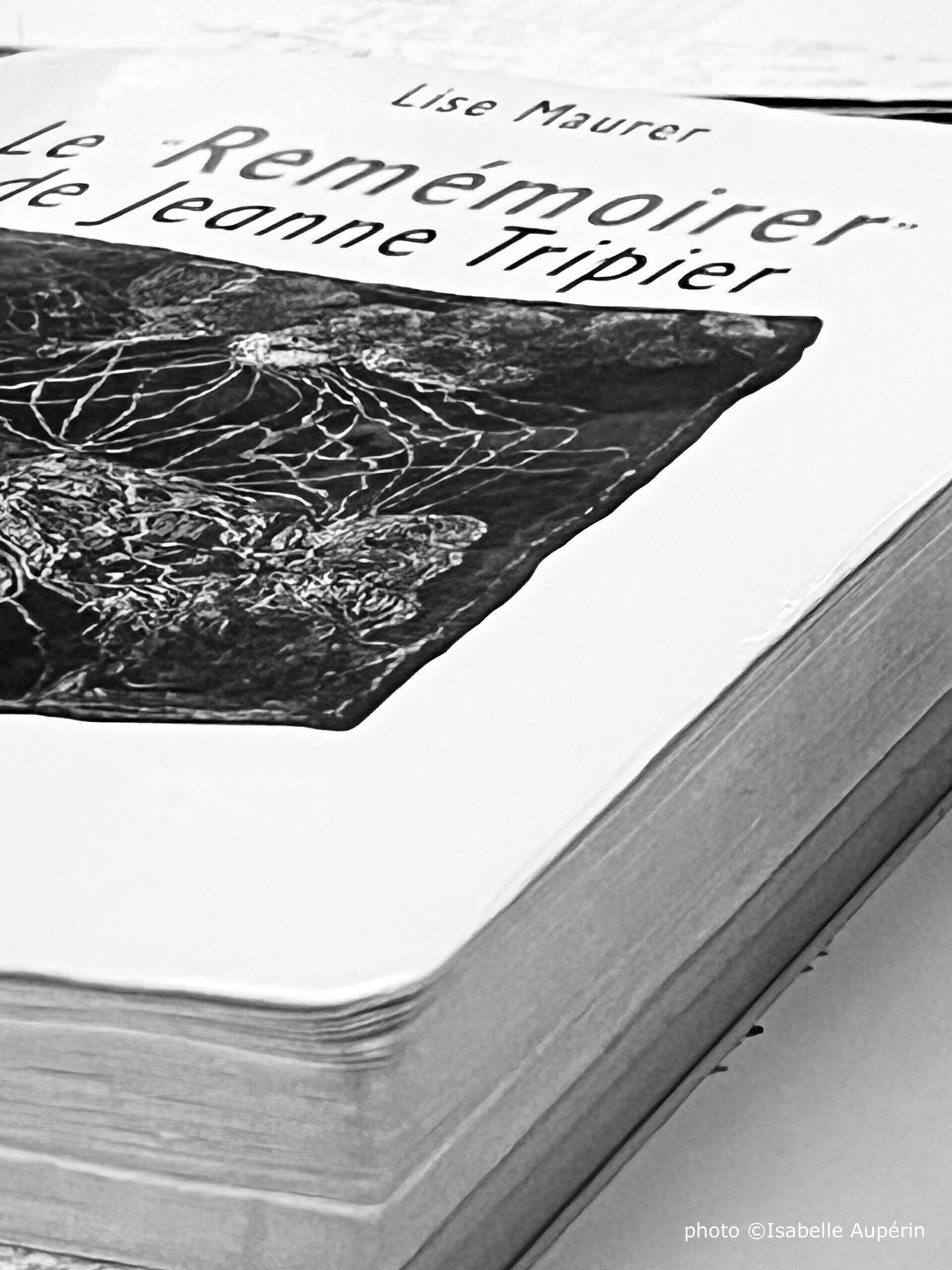
- Le Remémoirer de Jeanne Tripier, Paris, Éditions Érès, 1999.
- Laure Pigeon, la femme plume, Fascicule 25, Collection de l’Art Brut, Lausanne.
For her work on Hodinos, Michel Thevoz, then in charge of the Lausanne Collection, gave her 9 months to write fascicule n°18.
It was during this work that she met Lucienne Peiry, then a student, with whom she forged a long friendship.
In 2003, at a time when few people were talking about art brut, Lise Maurer set up a multidisciplinary research seminar in Paris entitled “De la trinité en déroute au sinthome”. This seminar, which she leads with passion, focuses on artists whose personal histories are most often linked to madness.
Interpretation and research into the lives and historical contexts of authors who think outside the box are at the core of this seminar, which brings together museum directors, artists and people working in institutions, such as psychiatrists and psychologists.
In 2025, the work of the seminar will enter Beaubourg.
Why the Trinity? Why the sinthome?
“La Trinité en déroute” (The Trinity in disarray) is an expression used by Jeanne Tripier. This Trinity may be that of the Father, the Son and the Holy Spirit, or a completely different configuration…
The term sinthome is used in psychoanalysis to designate what in a subject succeeds in holding together the imaginary, the real and the symbolic. The knot presupposes the strict equivalence of these three elements (the imaginary, the real and the symbolic). All it takes is for one of the three elements to break and the knot will no longer hold. A trinity in disarray?
From 1975 onwards, Lacan played on the homophonic equivocity between “symptom” and sinthome. Symptom comes from the medical Latin symptoma, to signify co-incidence (cum-incidere), i.e. that which “falls together”: for the doctor, such and such a disease and such and such a sign are objectively linked.
Sinthoma comes from the Greek verb “suntithémi”, meaning “to put together”.
Lise Maurer uses this term to designate the role of the person who makes the work of the author of Outsider Art known.
Jeanne Tripier [1869-1944], one of the legendary figures of Outsider Art
In her book Le “ Remémoirer ” de Jeanne Tripier (Éditions Érés), Lise Maurer takes a triple look at the personal history of Jeanne Tripier, the collective history of her time, i.e. La Commune and the beginnings of the Third Republic, and the life of an asylum, Maison-Blanche.
An indigent, Jeanne Tripier was evicted from her home and lived on the streets until she was finally interned in 1938. After 9 months of anger, she began to write, thanks to the care of Doctor Baudouin, who collected her writings every week in an envelope. Jeanne called herself a “world revolutionary”. To this day, envelopes of her writings remain unopened in Lausanne.
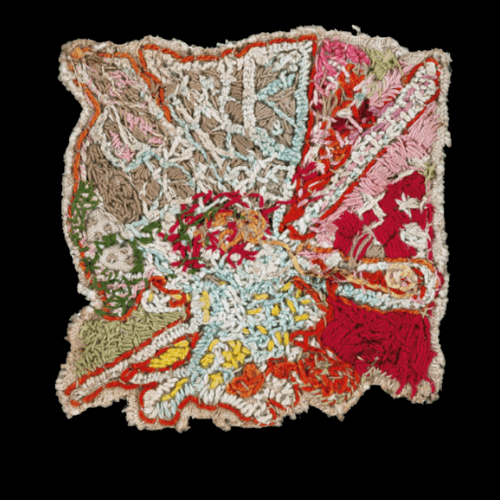
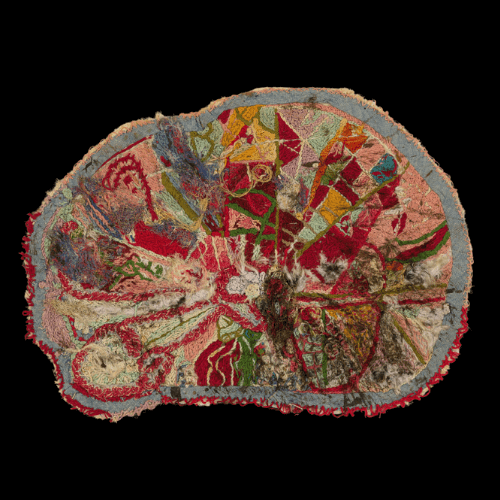
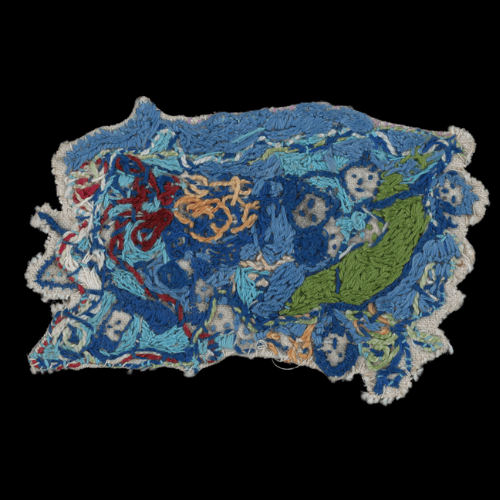
During her years at the Maison-Blanche psychiatric hospital in Neuilly-sur-Marne, Jeanne Tripier wrote texts and produced drawings, embroideries and crochet works. She considers all her creations to be mediumistic revelations, which she uses as clairvoyant tables.
She inserts small compositions in black, violet or blue ink into her writings, occasionally adding hair dye, nail varnish, sugar or medicine.
Her bold, original work teaches us a great deal about the history of her time and that of the hospital world.
The 2018 exhibition “Creación y delirio” at La Casa Encendida in Madrid, entirely devoted to Jeanne Tripier, is one of the major events that keeps Lise Maurer’s memory alive. For this occasion, La Collection de l’Art Brut has loaned over 110 works by Jeanne Tripier. Casa Encendida carries out research into the links between the creative impulses of so-called “marginal” artists and the avant-gardes of the 19th and 20th centuries. Lise remembers with emotion her participation in this masterly showcase of Jeanne Tripier’s work.
Lise Maurer is not a collector
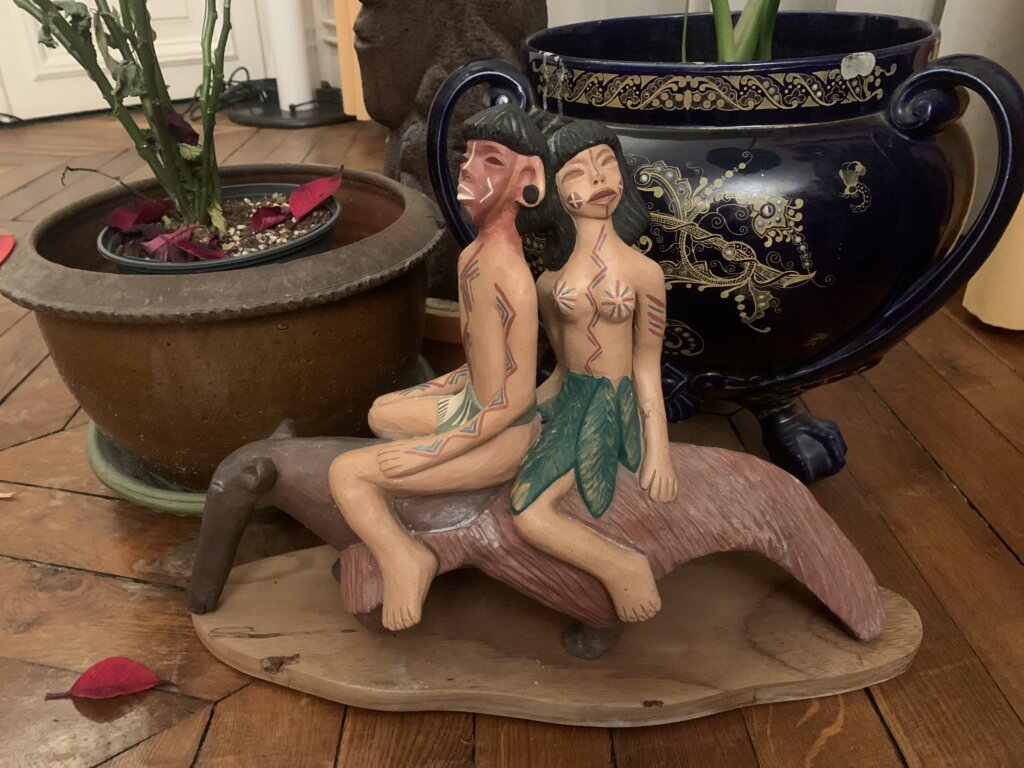
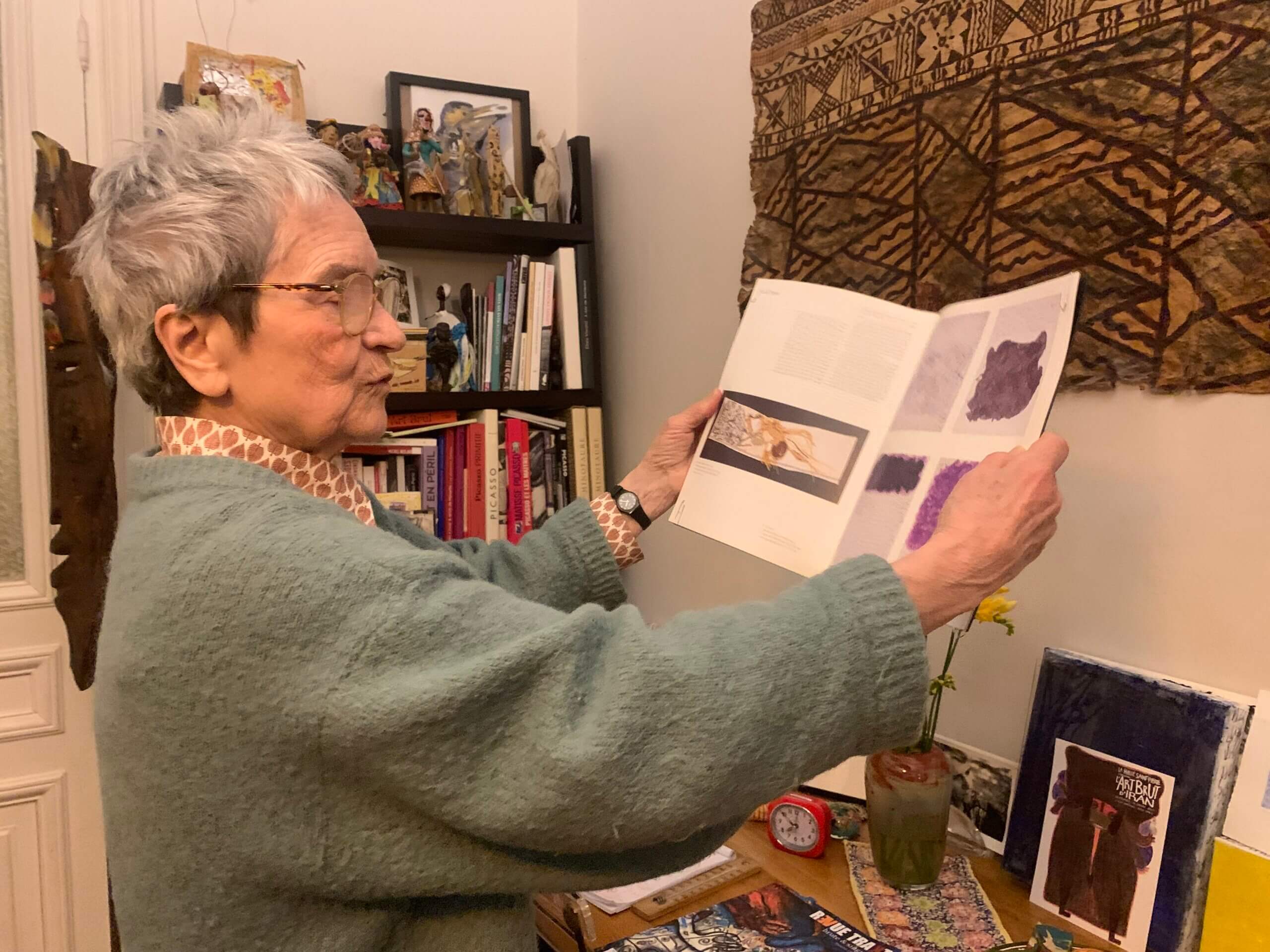
To the question, do you collect works of art? Lise Maurer answers no, in the sense that she doesn’t buy art. But in her apartment, she shares her space with works by friends, patients and artists (some of them renowned). These works are either gifts or chance encounters during her travels.
With Outsider Art, Lise Maurer takes a detour and returns to her taste for the art world.
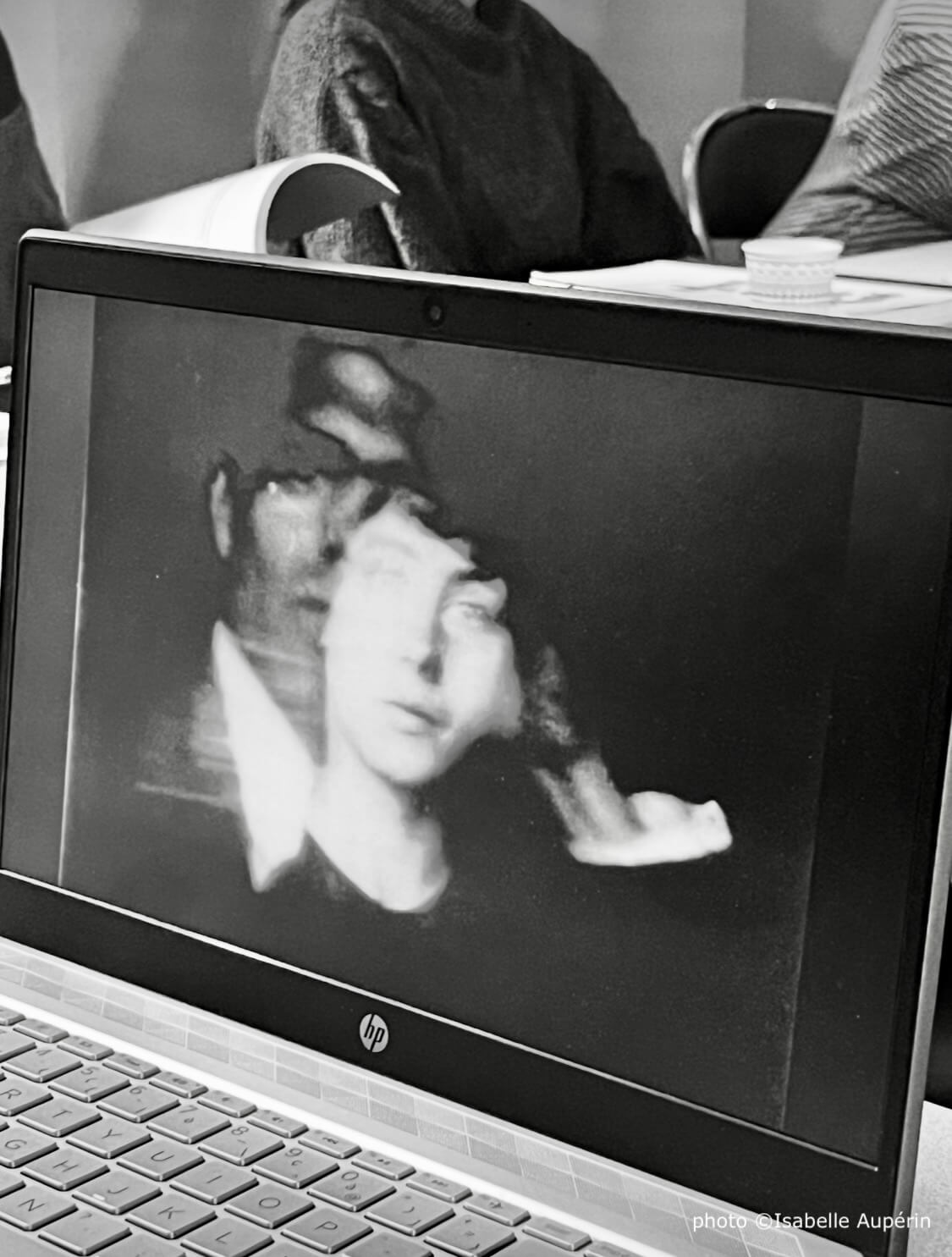
Acknowledgements : We would like to express our sincere thanks to Dr. Isabelle Aupérin for her black-and-white photographs and for making this meeting with Lise Maurer possible. Thanks to her commitment and availability, this exchange took place under the best possible conditions.
The editorial team
The thrill of artistic discoveries