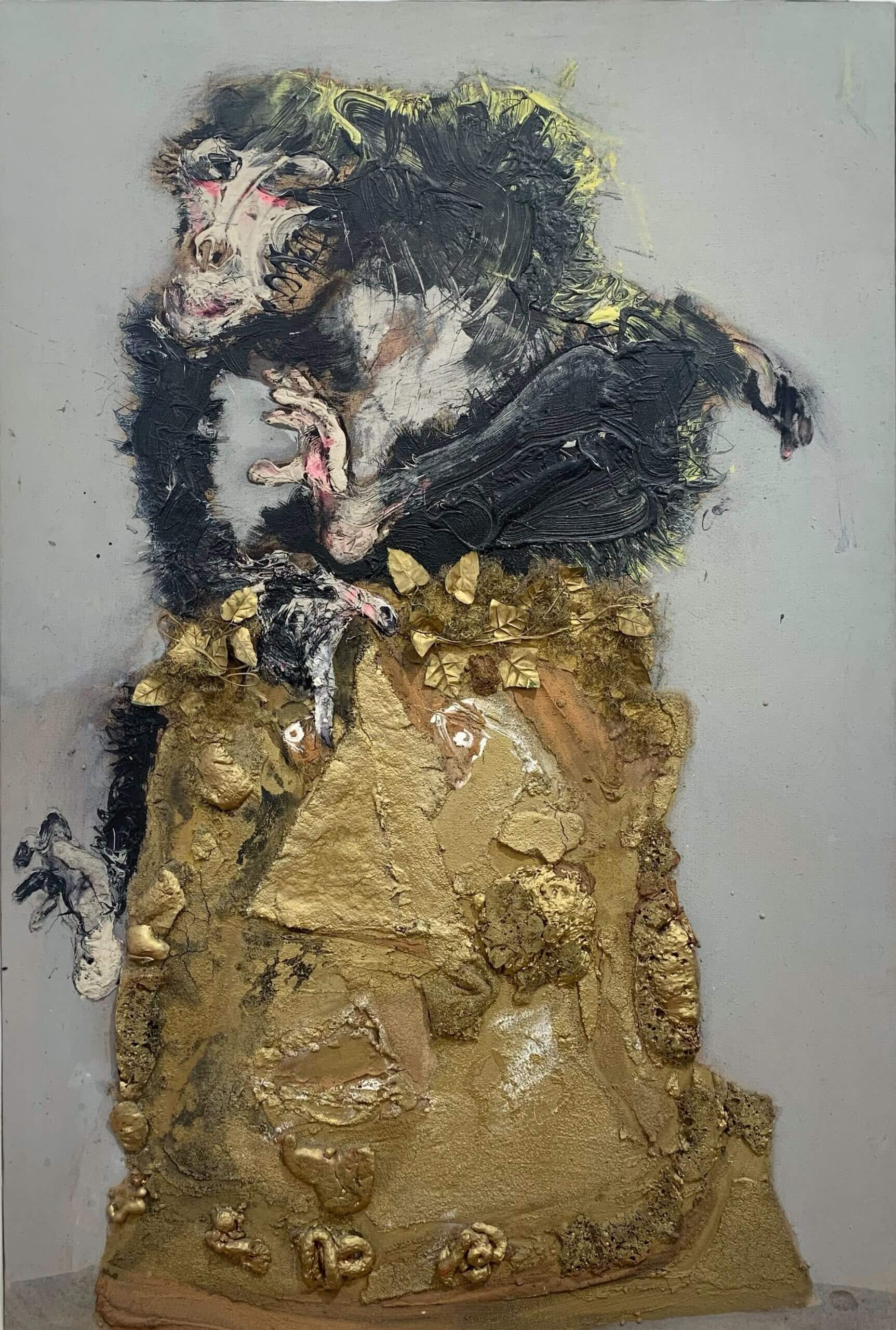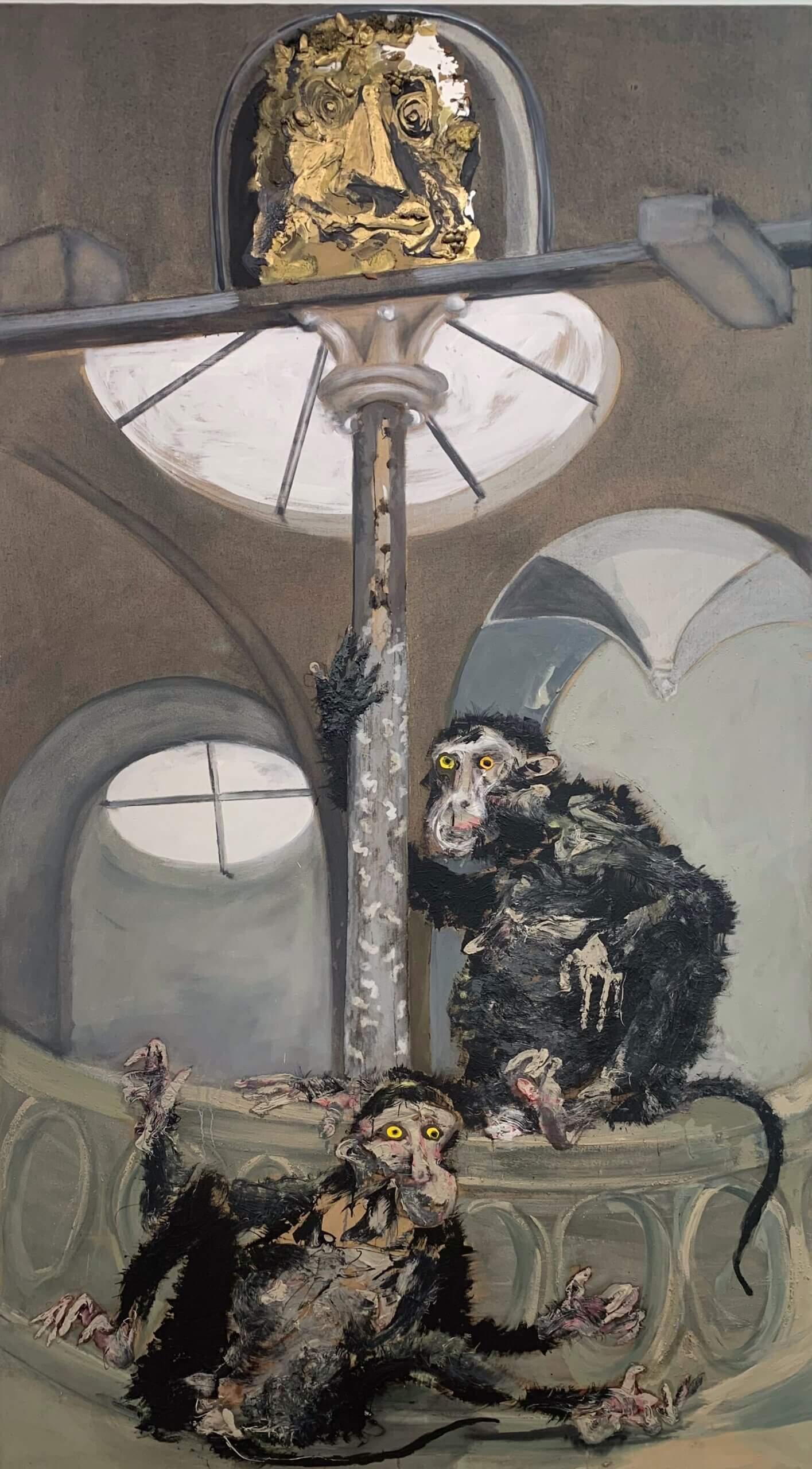
Paul Rebeyrolle, a free painter whose work is monumental.
- Post category:Artist Profiles / Painting
- Reading time:6 mins read
French painter born in Eymoutiers in 1926, Paul Rebeyrolle created a vast body of work that is at once visceral, violent, and profoundly free. From bound bodies to landscapes of matter, from animals to denunciations of power and money, his art remains one of the most powerful in twentieth-century French painting.
Painting as a conquest of freedom
At the age of five, he was struck by bone tuberculosis, which forced him to spend long years immobilized in a plaster corset. His parents, both schoolteachers, took charge of his education. It was during this period that he drew and painted everything he could not experience in real life.
At ten, he was free. He would run for hours through the beautiful countryside around Eymoutiers. Athletic, he would become French junior champion in the javelin. Rivers, trees, and forest animals enchanted him. Rebeyrolle had so much to make up for!
In truth, throughout his life, Rebeyrolle would never stop making up for lost time — beginning with bodies.
After secondary school, he worked with the enamel artists of Limoges; one of them introduced him, through rare books, to artists such as Chaïm Soutine and Picasso.
He had always known he wanted to be a painter, and in 1944 he took the train of Liberation to Paris, where he settled at La Ruche, the artists’ residence. The capital allowed him to visit the Louvre as soon as it reopened, free on Sundays, and to see every exhibition he possibly could.
All the details of his life and career can be found on the Espace Rebeyrolle website by clicking the button:
Bodies in the work of Paul Rebeyrolle
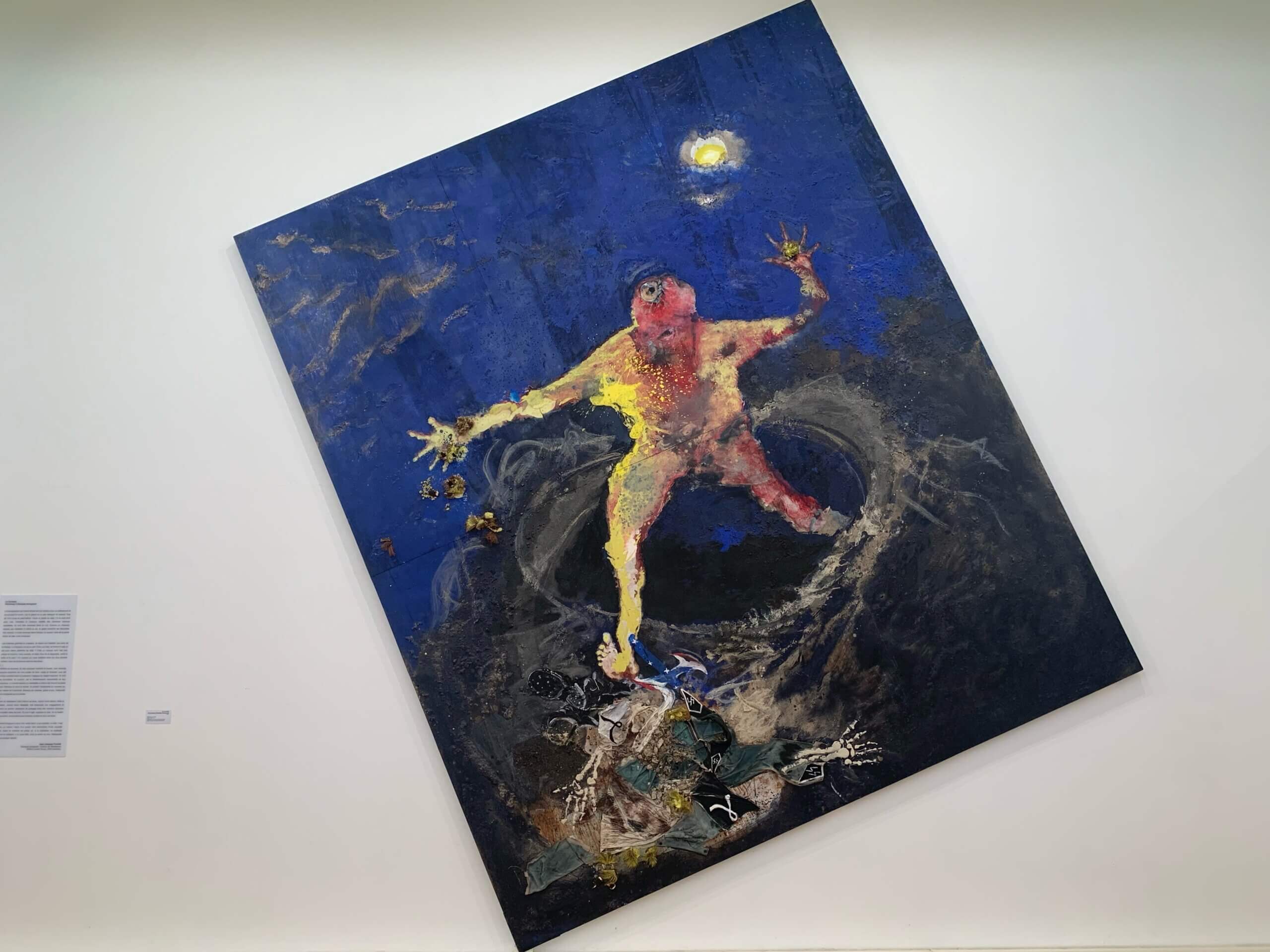
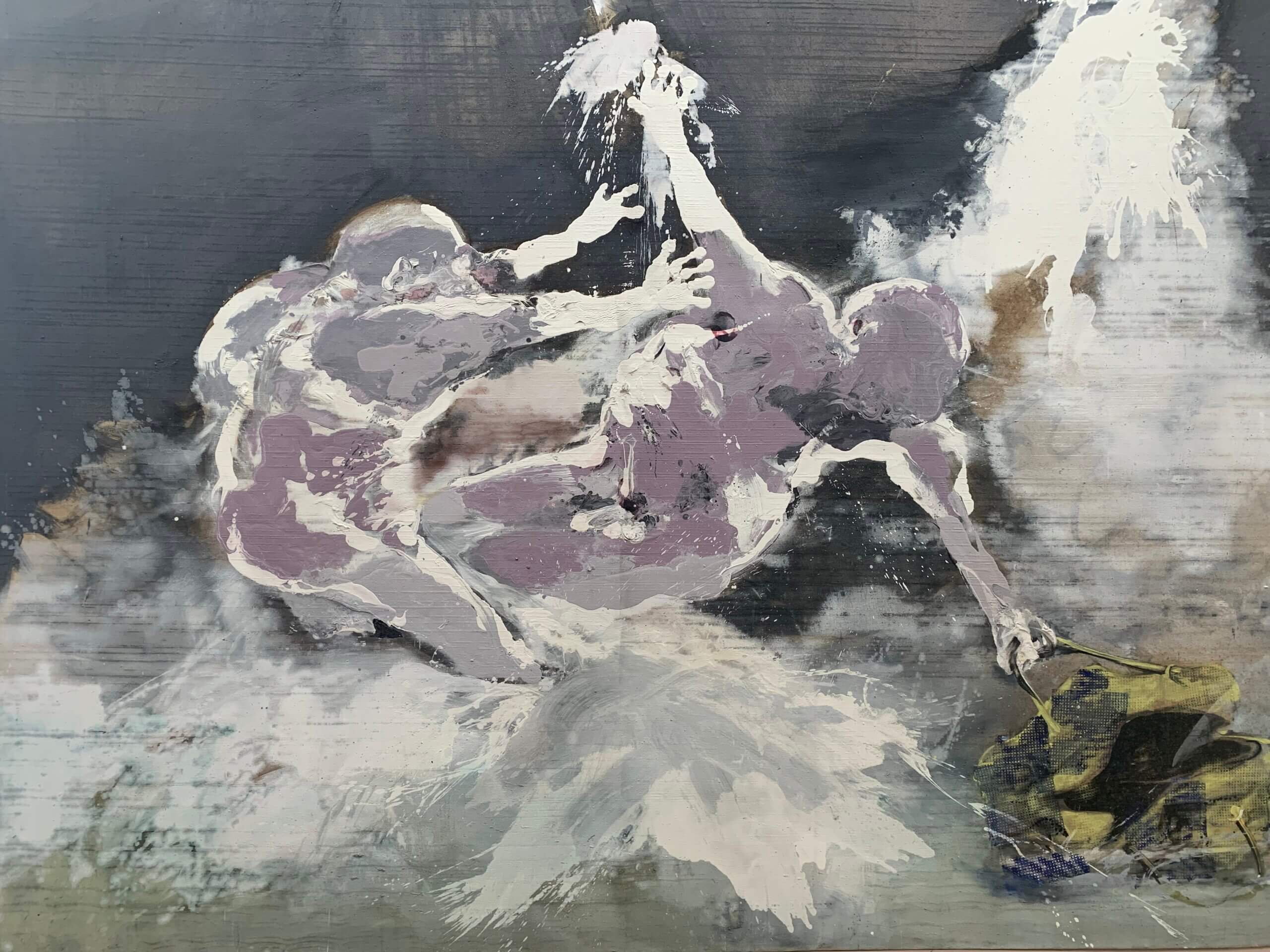
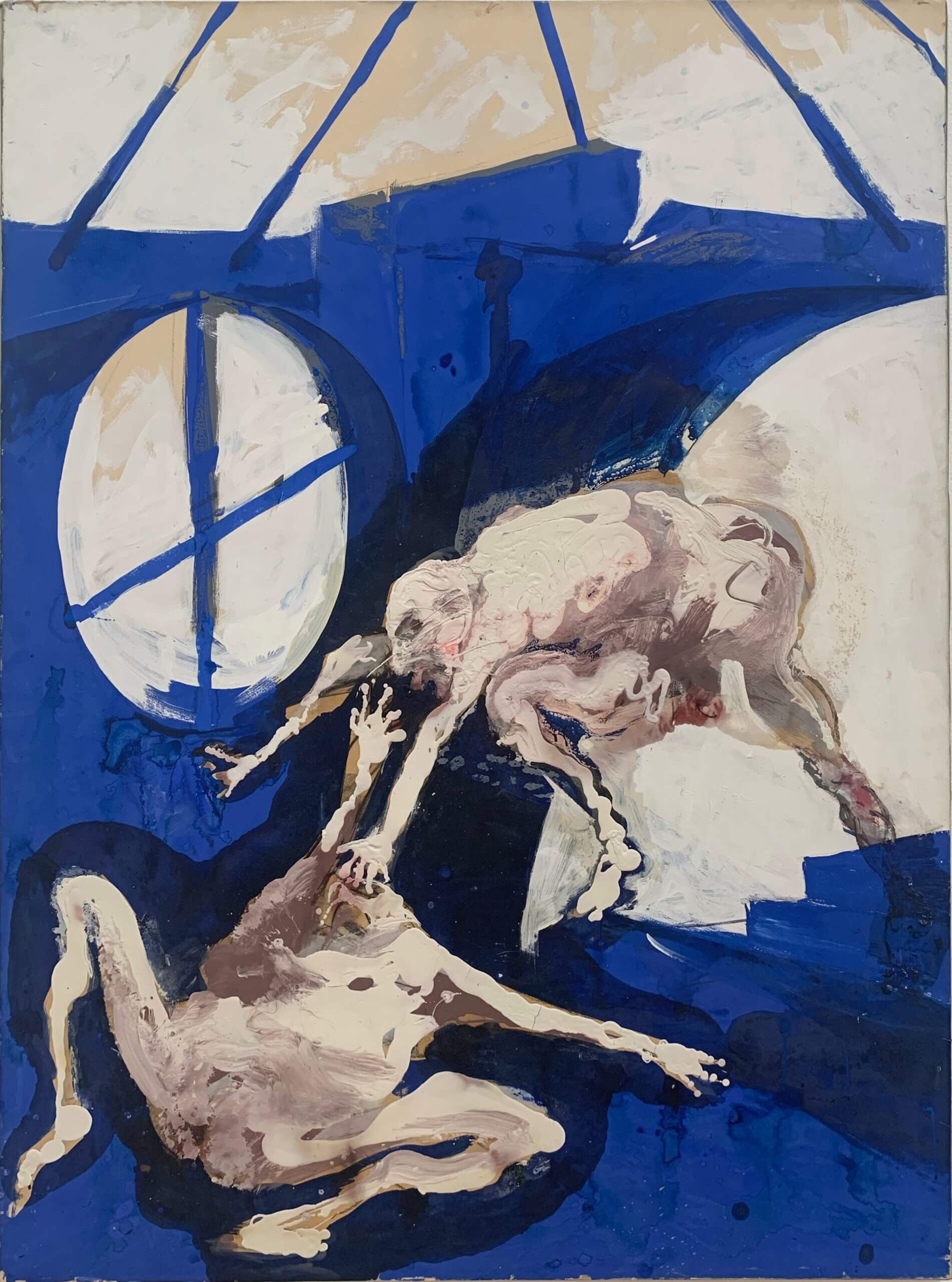
At times, Rebeyrolle painted bodies that are captive or restrained, as he himself had been as a child. The series Coexistences, Les Évasions manquées (Failed Escapes), and Suicide all depict human bodies that are bound, tied up, or imprisoned.
But in Rebeyrolle’s work, bodies are also a source of sensuality, as the journalist and writer Francis Marmande liked to point out when recounting a conversation he had had with the artist:
“What do you believe in? In nothing? I believe in the love of people and things, in love itself.”
This sensuality of the body can be found in many of Rebeyrolle’s sensuous works, for example in his series Bacchus and À propos de Courbet (On Courbet).
Did he not also say:
“These are moments of joy, of intense joy, and you find that in relationships with a woman (…).”
Paul Rebeyrolle, a naturalist painter
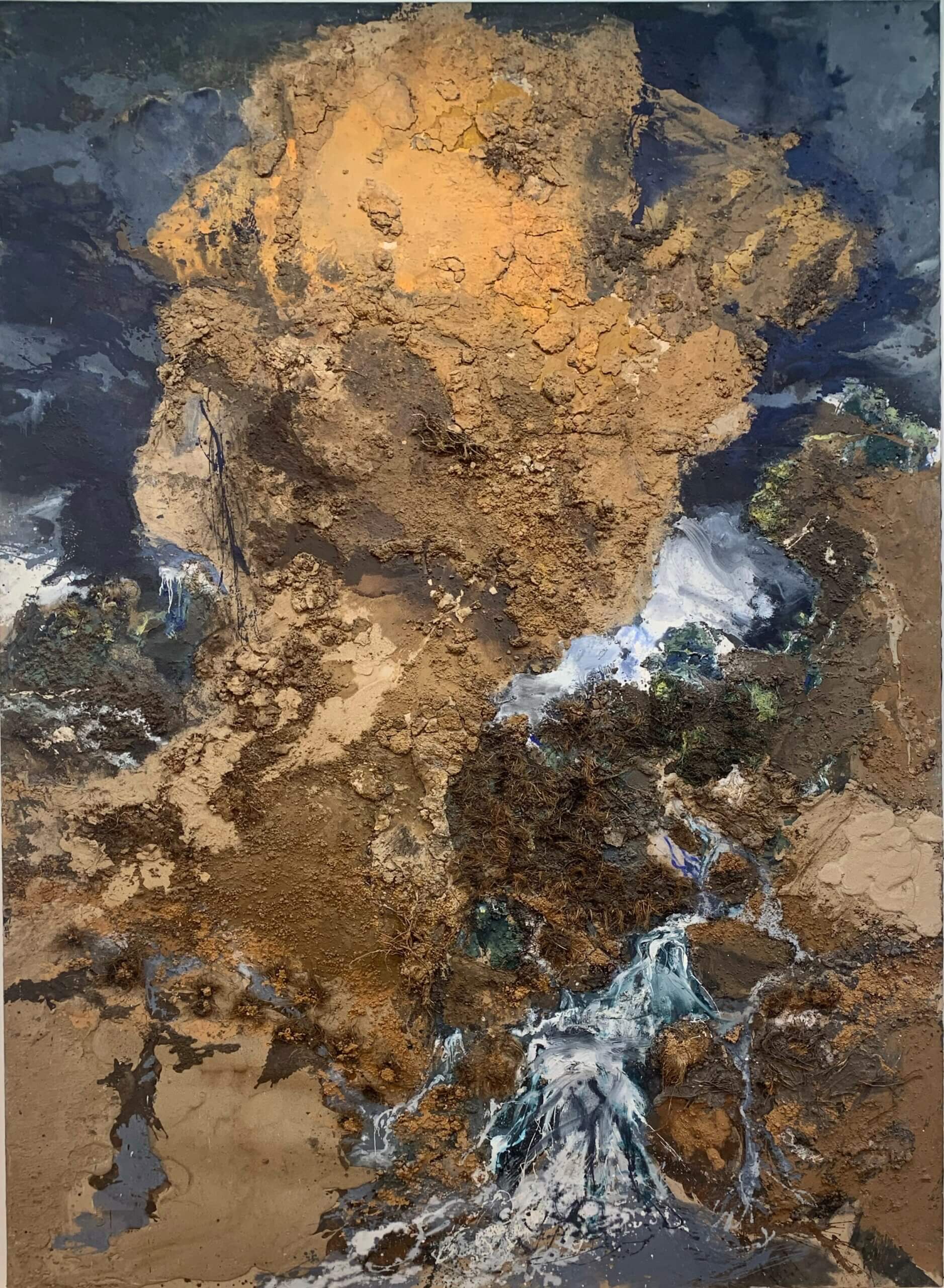
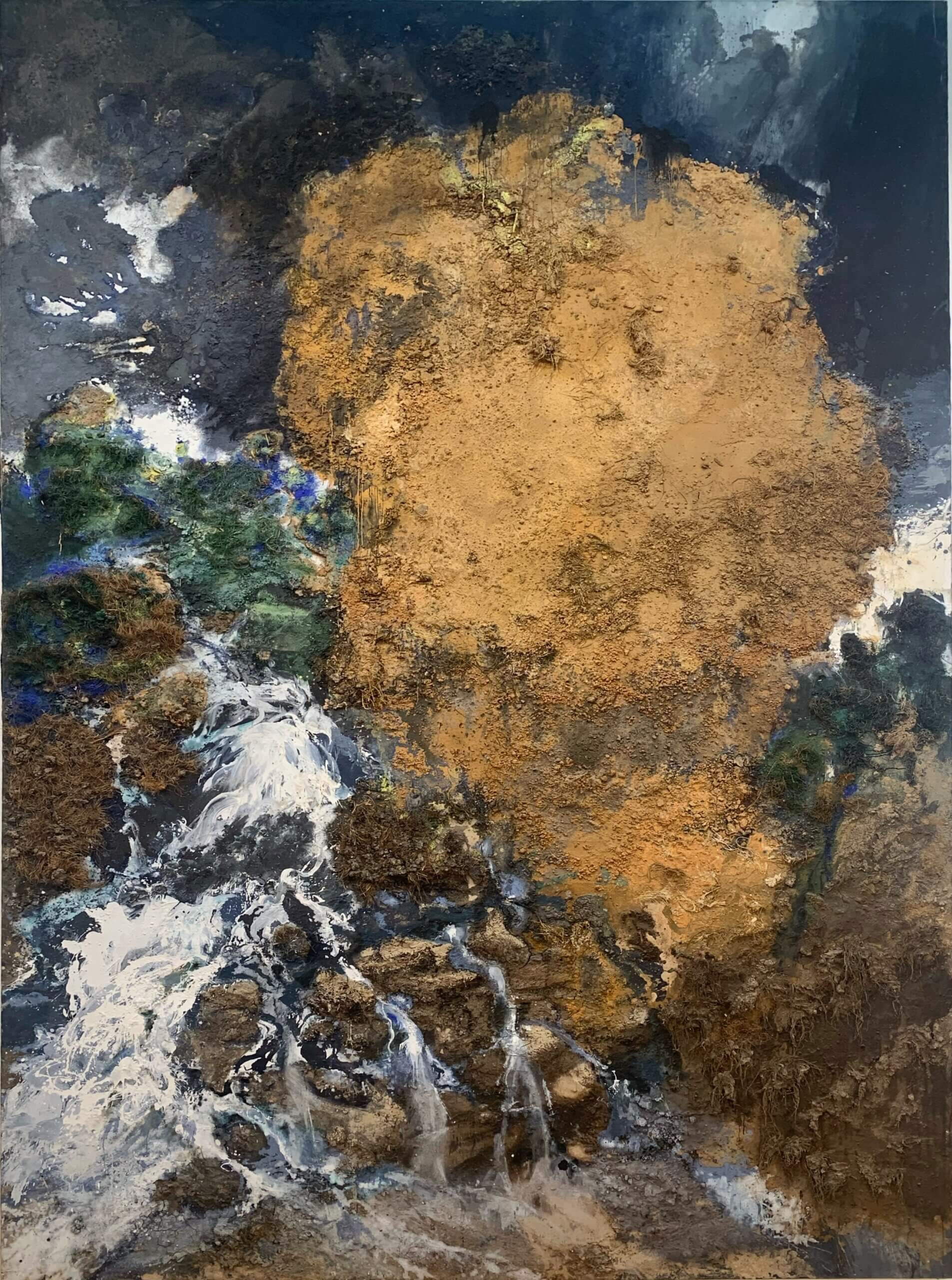
At the age of ten, Paul Rebeyrolle was finally freed from his plaster shell. This liberation, which at last allowed him to discover a beautiful and untamed nature, would accompany his entire body of work. One example is his series Grands paysages (Large Landscapes), which magnifies the water of a torrent and its pebbles. You can almost see the water trickling down the canvas.
What is striking in Rebeyrolle’s works depicting nature is the tangible presence of matter itself.
“As for landscapes, I like to finish them with a little real earth or a piece of wood. That is where naturalism leads. I am a painter who paints what he sees.”
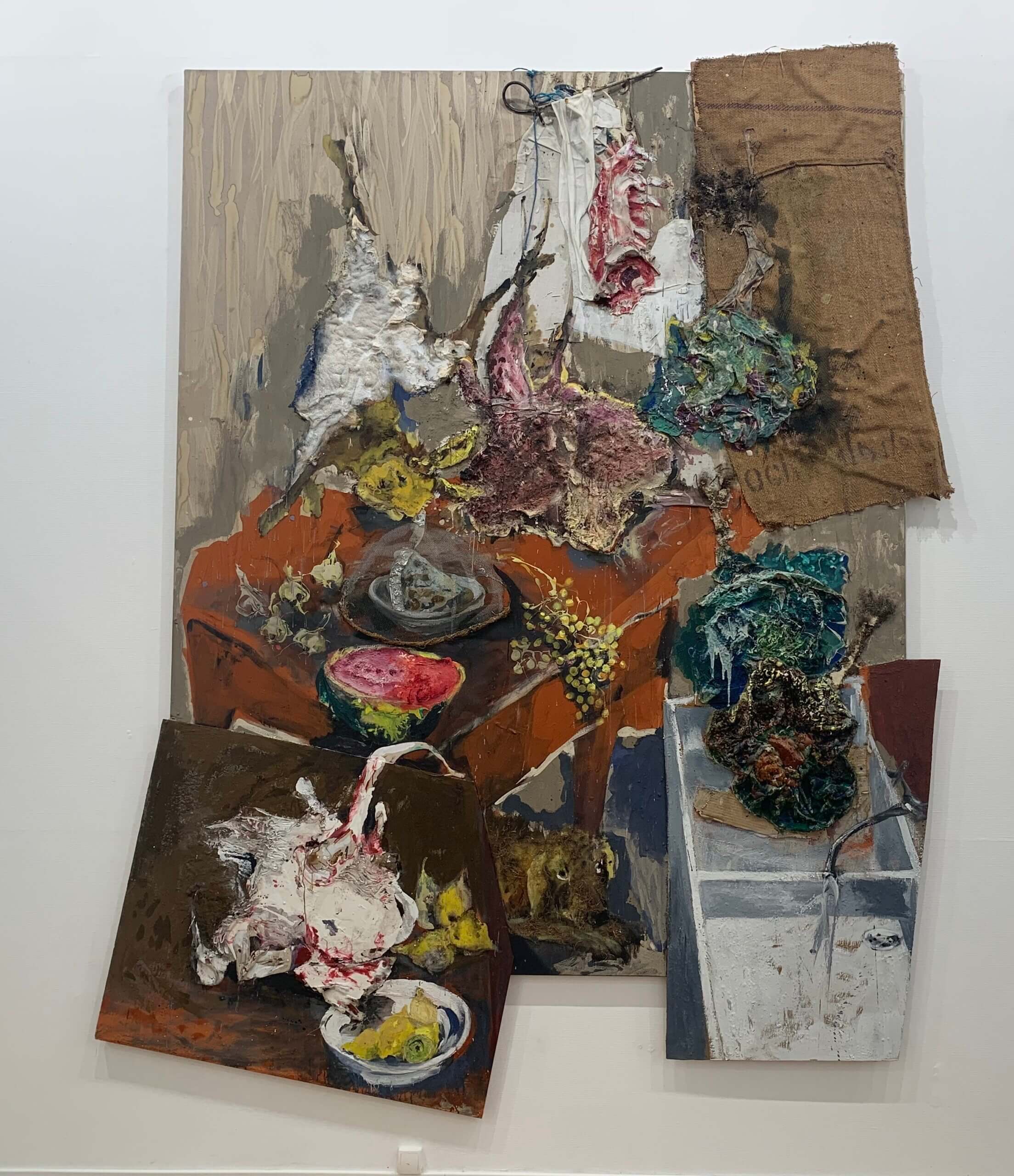
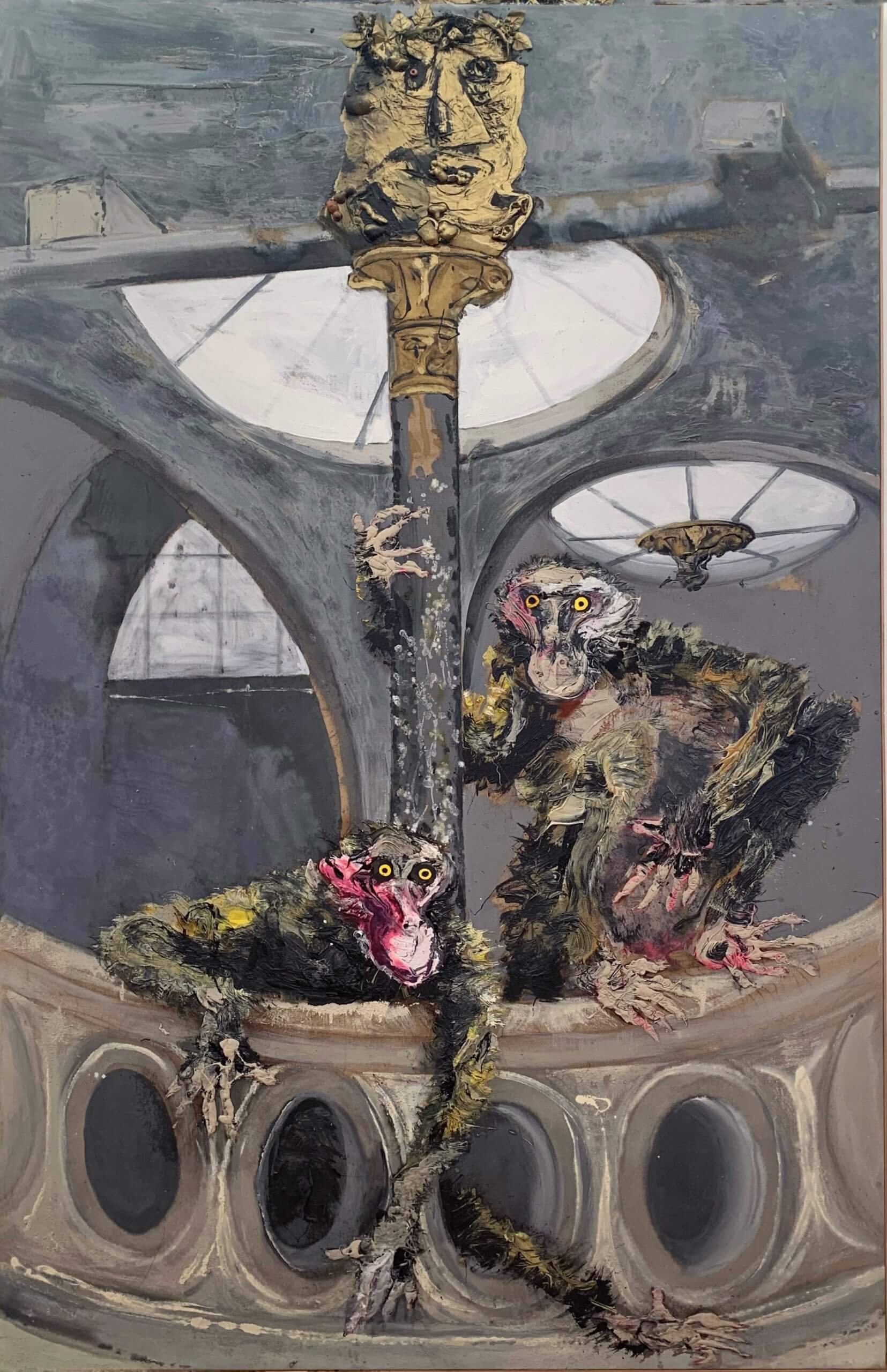
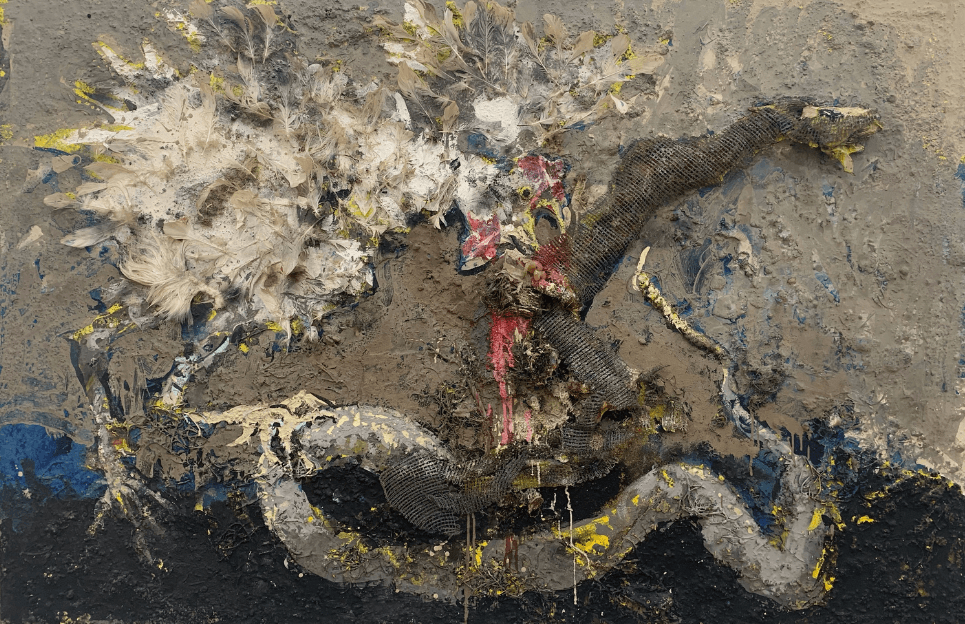
But for Paul Rebeyrolle, nature also meant animals, which he staged with a raw and violent naturalism. Snakes and roosters fight for life, a dog urinates, a frog lives, and a wild boar’s skeleton serves as the base for a water fountain.
Rebeyrolle, a painter of revolt and rage
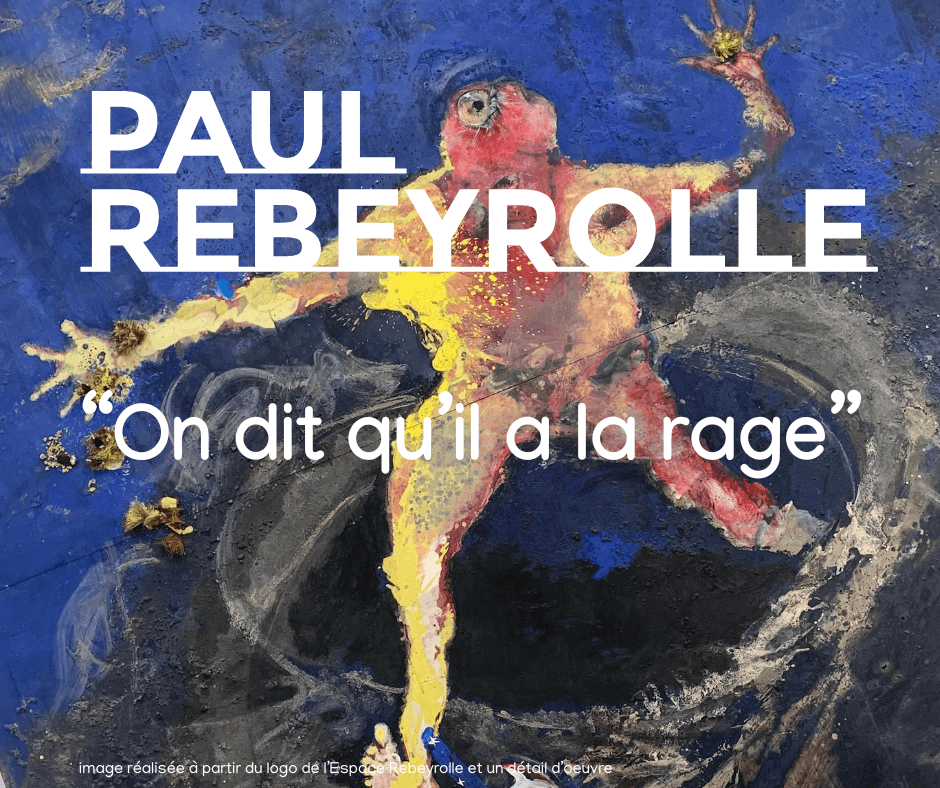
Rebeyrolle was a man angry with human society.
“I think we are living in a particularly tragic age. […] We live in a self-devouring society in which we spend our time consuming one another, in the name of power and money.”
He denounces power and money in series such as Les Panthéons and Le Monétarisme.
He casts a dark взгляд on society, saying:
“Capitalist society as it is will very soon no longer have any need for artists.”
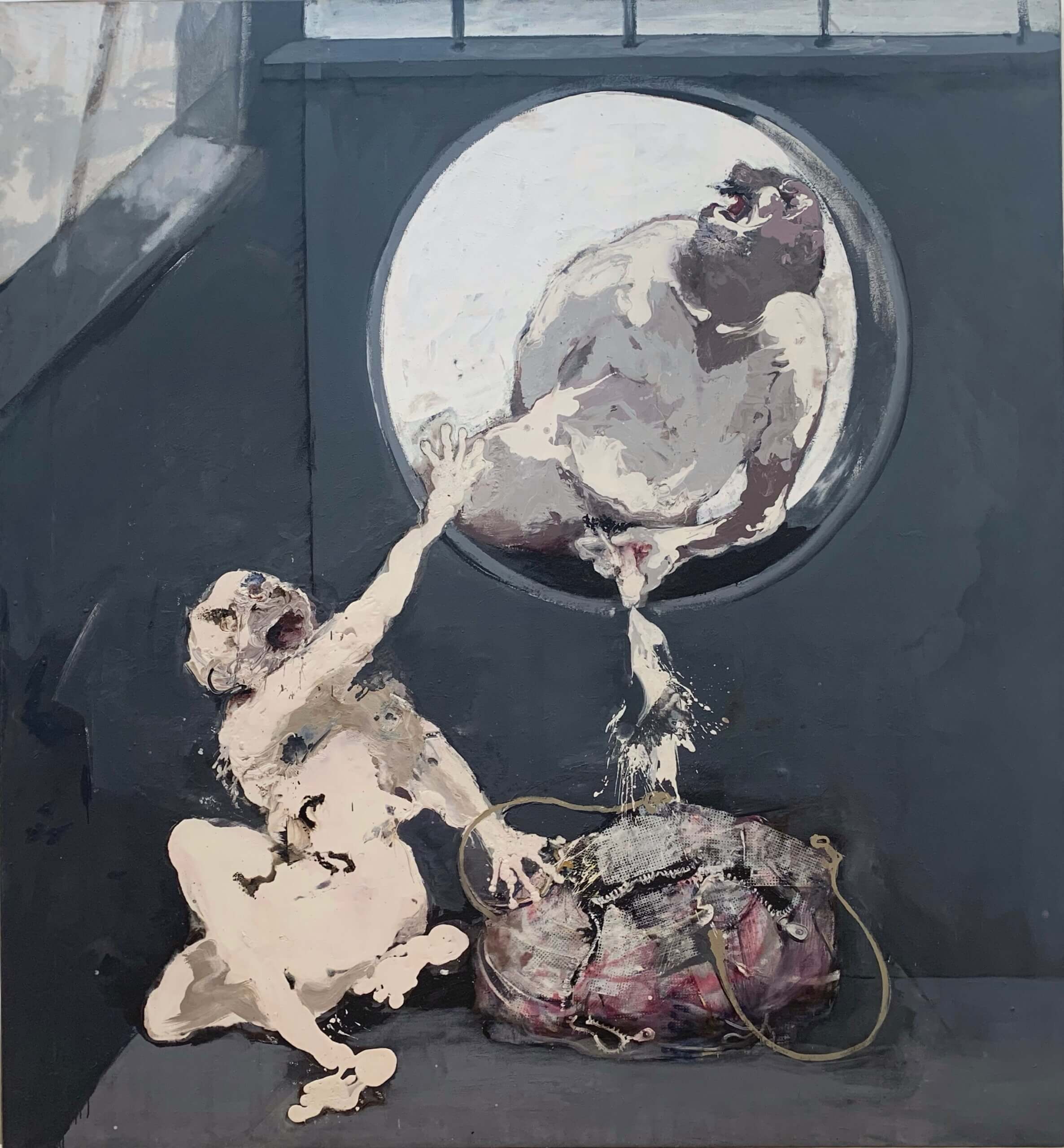
Rebeyrolle was especially interested in those sacrificed by this society, those who struggle simply to survive. Thus, in his series Le sac de Madame Tellikdjian (Madame Tellikdjian’s Bag), he stages a handbag that may once have had its glory days, but has now been stolen or thrown into the gutter. One senses that Madame Tellikdjian has very little left. Perhaps she has nothing left but this poor bag.
Why rediscover Paul Rebeyrolle today?
Paul Rebeyrolle was a force of nature who, even at the end of his life, when he had difficulty moving around, produced works of immense scale and talent. To visit the Espace Rebeyrolle is indeed to confront very large-format works in a place magnificently designed to match their excess.
Rebeyrolle stands in the lineage of painters such as Géricault, Courbet, Goya, and Rouault. No less. So how can we explain the lack of interest shown by institutions toward his work?
Too violent? Too critical? Too political? Too naturalist? How can we explain the fact that the last major retrospective of his work dates back to… 1979?
Only the Espace Rebeyrolle in Eymoutiers presents his work in a setting and scenography worthy of his talent.
As the centenary of his birth will be celebrated in November 2026, has the time not come to present his work to a wider audience?
In summary, Paul Rebeyrolle is famous for:
- His unclassifiable naturalist body of work
- His free and independent painting, which opened the way for many contemporary artists
- His monumental works, carrying his fierce passion for life and freedom against injustice
- His influence on the “Nouvelle Figuration” movement in the 1950s, at a time when abstraction dominated the art world
- His First Prize in 1959 at the first Paris Biennale for his wood painting Planchemouton, measuring 4.20 × 14.34 metres
© artistesactuels.fr – the thrill of artistic discoveries